Brewing Guides
How to cold brew loose-leaf tea
The one brewing method where leaving the leaves in is correct, and the only one you cannot really get wrong.
We earn a commission if you buy through the links on this page, at no extra cost to you. It does not change which products we name or what we say about them — how this is funded.
Put loose leaf in cold water, cover it, and leave it in the refrigerator for several hours. Hario publishes three to six hours for its cold brew bottle. Strain it, or do not - cold extraction is slow enough that leaving the leaves in for longer is a preference rather than a mistake. You need no special equipment: a jar and a sieve will do the whole job.
| # | Product | Best for | Role | Price |
|---|---|---|---|---|
| 1 | 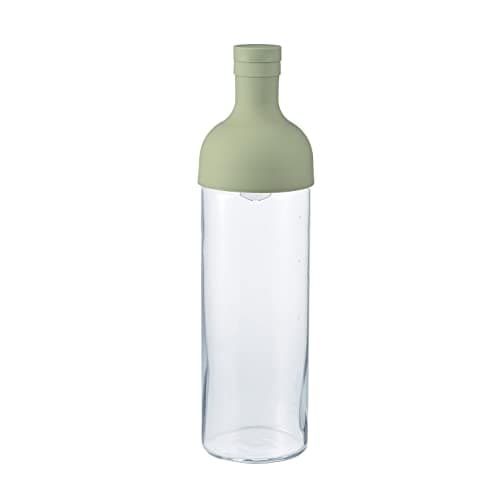 HARIO Cold Brew Tea Filter-in Bottle, 750 mlTop pickA 750 ml glass bottle with a built-in filter, made for brewing tea in the refrigerator. Cold extraction is slow enough that leaving the leaves in stops being a mistake. | Cold brew, and the one bottle we would carry | 750 ml | |
| 2 | 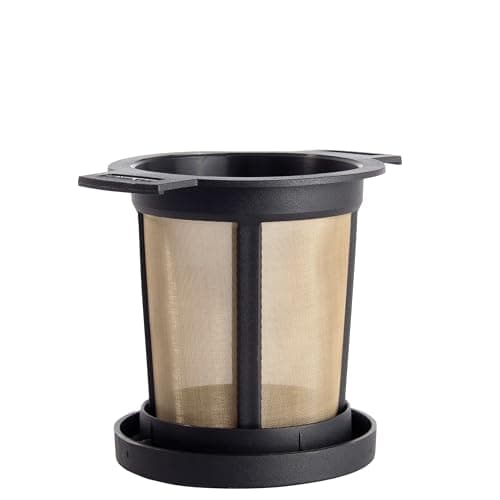 finum Brewing BasketA tall stainless mesh basket with a lid that flips over into a drip tray. Ten dollars, and it makes better tea than most infusers costing five times more. | The first thing to buy, full stop | Stainless-steel micro-mesh | |
| 3 | No image Various Airtight, Opaque Tea TinTea goes stale from air, light, heat and moisture. A tin fixes all four for a few dollars, and a glass jar on a windowsill fixes none. | Not wasting the tea you just bought | not verified | Check price#ad |
Top pick · Cold brew, and the one bottle we would carry
HARIO Cold Brew Tea Filter-in Bottle, 750 ml
A 750 ml glass bottle with a built-in filter, made for brewing tea in the refrigerator. Cold extraction is slow enough that leaving the leaves in stops being a mistake.
#ad · how this is funded · price checked October 21, 2026
Published specifications
- Materials
- Heatproof glass bottle, polypropylene strainer, silicone rubber spout stopperSource: HARIO USA — Cold Brew Tea Filter-in Bottle, 750 ml
- Dimensions
- W87 x D84 x H300 mmSource: HARIO USA — Cold Brew Tea Filter-in Bottle, 750 ml
- Care
- All components remove for washing and are dishwasher safeSource: HARIO USA — Cold Brew Tea Filter-in Bottle, 750 ml
- Method
- Fill to the 750 ml mark, insert the stopper, brew in the refrigerator 3-6 hoursSource: HARIO USA — Cold Brew Tea Filter-in Bottle, 750 ml
What the numbers mean
This is the exception to our standing advice against brewing in a bottle. That advice is about hot brewing, where leaves left in water over-extract into bitterness within minutes. Cold extraction runs so much slower that a three-to-six-hour window is the method rather than a mistake.
The filter is polypropylene rather than steel, which is worth knowing if you avoid plastic in the water path. It is a cold-water contact, which is the mildest condition a plastic ever sees.
At 300 mm tall it is a refrigerator-door object, not a handbag one. Check your shelf before buying.
Good for
- Purpose-built for cold brewing, where leaving leaves in is correct
- Every part removes and is published dishwasher safe
- Published dimensions, which is rare in this category
- 750 ml is two or three glasses from one brew
Against it
- Polypropylene filter rather than stainless
- 300 mm tall, so it needs a real refrigerator shelf
- Glass, so not the bottle for a backpack
- Not for hot brewing, which is most of what this site is about
Skip it ifSkip it if you want hot tea on a commute. Brew hot at home, strain, and carry it in an insulated mug instead.
Pick 2 · The first thing to buy, full stop
finum Brewing Basket
A tall stainless mesh basket with a lid that flips over into a drip tray. Ten dollars, and it makes better tea than most infusers costing five times more.
#ad · how this is funded · price checked October 21, 2026
Published specifications
- Filter
- Stainless-steel micro-meshSource: finum — Brewing Basket M
- Frame
- Heat-tolerant, BPA-freeSource: finum — Brewing Basket M
- Cleaning
- Dishwasher safeSource: finum — Brewing Basket M
- Made in
- GermanySource: finum — Brewing Basket M
- In the box
- One basket with a lid that doubles as a drip-off traySource: finum — Brewing Basket M
What the numbers mean
The reason a basket beats a ball is volume. Tea leaves triple in size as they hydrate, and a basket gives them room to do it while a ball crushes them into a pellet that only wets on the outside.
Micro-mesh matters for the fine stuff. Rooibos and broken-leaf teas go straight through a coarse strainer and end up as silt in the bottom of the cup.
The lid-becomes-a-drip-tray detail sounds like marketing until you have carried a dripping infuser across a kitchen once.
Good for
- Enough room for leaves to actually open
- Micro-mesh holds fine-cut and broken leaf
- Dishwasher safe, so cleaning is not a ritual
Against it
- Sized to a mug opening — measure yours before buying
- Mesh eventually stains, which is cosmetic
- Nothing about it is beautiful
Skip it ifSkip it only if your mug is narrower than the basket. Measure the opening; the medium and large sizes fit different mugs and the wrong one perches uselessly on the rim.
image
Pick 3 · Not wasting the tea you just bought
Various Airtight, Opaque Tea Tin
Tea goes stale from air, light, heat and moisture. A tin fixes all four for a few dollars, and a glass jar on a windowsill fixes none.
#ad · how this is funded · price checked October 21, 2026
Published specifications
- Seal type
- Not verifiedDouble-lid tins seal better than single-lid ones; no maker here publishes a comparable figure.
What the numbers mean
The clear-jar mistake is the one we see most. Loose leaf looks beautiful in glass, and light is one of the four things that degrade it.
Opaque and airtight are the two properties that matter. Everything else is decoration.
Keep it out of the cupboard above the hob. Heat is the fourth enemy and that is the hottest spot in most kitchens.
Good for
- Cheapest possible protection for tea you already paid for
- Blocks light, which a glass jar cannot
- Stacks, unlike the bags tea ships in
Against it
- No comparable published specification anywhere in the category
- Cheap tins can smell of metal when new
- You will need more than one
Skip it ifSkip it if your tea arrived in a resealable, opaque pouch and you will finish it in a month. That pouch is already doing the job.
Why cold brewing behaves differently
Extraction is temperature-dependent, and not everything in the leaf extracts at the same rate. Hot water pulls compounds out quickly, and the ones that arrive late in a hot steep are tannins - which taste bitter and feel drying in the mouth. That is why hot brewing has a window: leave the leaves too long and you cross from strong into harsh.
At refrigerator temperature everything slows dramatically, and the bitter fraction slows more than the pleasant one. The practical result is that the window stops being a window. A cold brew at four hours and the same brew at eight taste different in strength but do not turn harsh the way a hot brew does at ten minutes.
This is why cold brew is the method to give someone who has decided they are bad at making tea. Most of the ways to ruin hot tea - water too hot, steeped too long, leaves left in - either do not apply or do not matter here.
The method
- Put the leaf in the vessel. Start from roughly the same ratio you would use hot - Art of Tea publishes about a tablespoon per 8 ounces of water - and expect to adjust upward if you like it stronger.
- Add cold water. Not warm, not room temperature to speed it up: the slow extraction is the entire mechanism.
- Cover it and put it in the refrigerator. Hario publishes three to six hours for a 750 ml bottle.
- Taste it at the low end of that range. If it is thin, put it back for another hour or two rather than adding leaf.
- Strain if you want to keep it for a day or two. Otherwise drink it with the leaves in, which is fine.
Step four is the one worth internalizing. With hot tea you adjust leaf and hold time constant, because time is the variable that turns bitter. With cold tea you can adjust time freely, which makes it the more forgiving lever.
What it needs, and what it does not
A jar and a sieve. That is genuinely the whole requirement, and if you have both then cold brew costs nothing to try tonight.
| Setup | What it adds | Worth buying? |
|---|---|---|
| A jar plus any fine sieve | Nothing - it is the baseline and it works | You own it |
| A basket infuser in a jar or jug | Lift the leaves out without pouring | If you already own a basket, yes |
| A purpose-built cold brew bottle | A built-in filter and a pouring spout | Only if you do this often |
The purpose-built bottle is a convenience purchase and we would rather say so. Hario's is 750 ml with a heatproof glass body, a polypropylene strainer and a silicone stopper, all parts removable and published dishwasher safe, and W87 x D84 x H300 mm - check that 300 mm height against your refrigerator shelf before ordering.
One note on materials for anyone who cares: that filter is polypropylene rather than stainless. Cold water is the mildest condition a plastic ever meets, so this is a much smaller consideration than plastic in a kettle, but it is worth knowing rather than discovering.
Which teas suit it
Almost all of them, and some noticeably better than hot.
- Green tea is the standout. Cold brewing sidesteps the single most common green tea mistake entirely, because there is no hot water to scorch the leaf. If you have written green tea off, try it cold before you give up.
- White tea works beautifully and cold brewing suits its delicacy.
- Oolong works well, and rolled oolong takes longer to open in cold water - push toward the upper end of the time range.
- Black tea works and comes out smoother and less astringent than the hot version, which some people prefer and some find flat.
- Herbal tisanes and fruit blends are excellent cold and are the easiest introduction.
- Pu-erh is the one we would not start with. Its character leans on the warmth and it tends to read as thin cold.
Broken-leaf and fine-cut tea will pass through a coarse sieve and leave silt, exactly as it does hot. Whole leaf is the easier choice for cold brewing and it is also what re-steeps.
Cold brew is not iced tea
These get conflated constantly and they are different drinks made by different methods.
Iced tea is brewed hot and then chilled, usually poured over ice. Because the ice dilutes it, the hot brew has to be made deliberately strong to survive. The flavor profile is a hot brew that has been cooled - brisker, more astringent, and it can go cloudy as it chills.
Cold brew never gets hot. It is sweeter and rounder, noticeably less astringent, and it stays clear. Neither is better; they taste different enough that liking one tells you very little about the other.
Keeping it
Strain the leaves out if you are storing it, and keep it refrigerated. With the leaves removed it holds up for a couple of days; with the leaves left in it keeps getting stronger and eventually goes flat and vegetal.
The dry leaf matters here too. Cold brewing does not rescue stale tea, and air, light, heat and moisture degrade leaf whatever you plan to do with it - which is why an opaque airtight tin is on this page as the third pick despite having nothing to do with the method itself.
What we did not do
We have not run cold brew trials, timed extractions or compared batches. The three-to-six-hour figure is Hario's published method for its bottle and the ratio is Art of Tea's published hot-brew starting point, both cited below. The account of why cold extraction is more forgiving is the standard explanation of temperature-dependent extraction, not a measurement of ours.
Questions
How long does cold brew tea take?
Hario publishes three to six hours in the refrigerator for its 750 ml cold brew bottle. Taste at the low end and put it back if it is thin - unlike hot brewing, extra time does not turn it bitter.
Can you over-steep cold brew tea?
Not really, in the way you can hot. Cold extraction slows the bitter fraction more than the pleasant one, so a longer brew is stronger rather than harsh. Left for days with the leaves in it will eventually go flat and vegetal.
Do I need a special bottle to cold brew tea?
No. A jar and a fine sieve do the entire job. A purpose-built bottle adds a built-in filter and a pouring spout, which is convenience rather than better tea.
Is cold brew tea the same as iced tea?
No. Iced tea is brewed hot and chilled, so it is brisker and more astringent and can go cloudy. Cold brew never gets hot, and comes out sweeter, rounder and clear. They are different drinks.
Which tea is best for cold brewing?
Green tea is the standout, because cold brewing removes the scorching risk that ruins most hot green tea. White tea, oolong and herbal blends all work well. Pu-erh is the one we would not start with.
Sources
Every figure on this page came from one of these, retrieved during the research pass for this article. Where a maker publishes nothing we could verify, the page says so instead of substituting a number.
Read next
- How long to steep teaPublished steep times by type, the reason the ranges are wide, and what over-steeping actually does to the cup.
- How to brew loose-leaf teaThe complete method in five steps, with published parameters and the four mistakes that account for most bad cups.
- Travel tea infuser bottlesWhy hot brewing in a bottle fails, why cold brewing in one works, and the three-way answer to carrying tea.
- Green tea water temperatureThe forty-degree gap between green tea and boiling water, what it does to the cup, and three ways to close it.
- How much loose-leaf tea per cupThe published ratio, why a spoon is unreliable across tea types, and the point at which weighing starts to matter.
- The best iced tea makersThree cold-brew vessels whose maker publishes every material, ranked on the two things that decide it: whether the strainer lifts out, and whether it fits your fridge.