Best overall
The best tea kettles for loose-leaf tea
Five kettles across every price band, chosen by what you actually drink rather than by feature count.
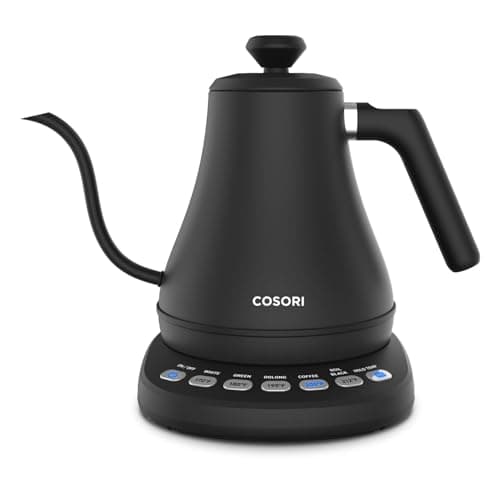
Top pickCOSORI Original Electric Gooseneck Kettle (CO108-NK)
Steep & Spout
The kettle question has one honest answer and it depends entirely on whether you drink green tea.
A kettle heats water. That is a solved problem and has been for a century. Everything a modern kettle adds on top of that — presets, hold modes, one-degree dials, gooseneck spouts — exists to solve one narrow issue, and it is worth naming plainly before you spend anything.
The issue is that different teas want different water temperatures, and the gap is large enough to taste. Art of Tea publishes 160-180F for green tea and 200-212F for black. Pour boiling water on green tea and you get astringency and a flattened, cooked flavor. That is the entire case for a temperature-controlled kettle, and if you do not drink green or white tea, the case does not apply to you.
A plain electric kettle boils water fast and cheaply. If you drink black tea, rooibos, herbal infusions or ripe pu-erh — all of which want water at or very near boiling — this is not a compromise. It is the correct tool and the extra money buys you nothing.
A variable-temperature electric kettle lets you choose the number and, on the good ones, hold it. Hold is the underrated half. Without it you boil, wait, guess, and pour at whatever the kettle happens to be. With it you set 180F once and the water is still 180F when you come back from finding the tea.
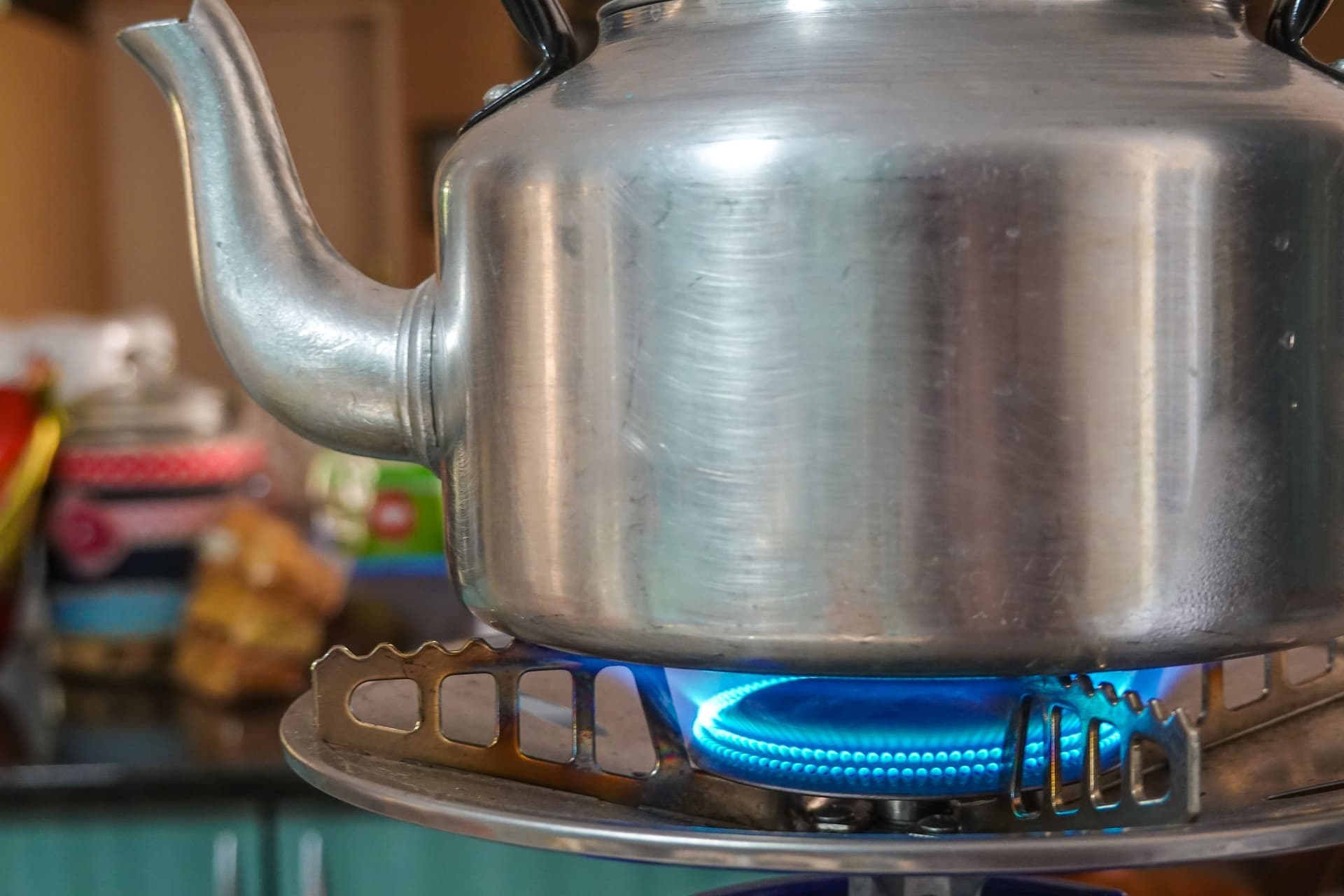
A stovetop kettle has no electronics and therefore nothing that can fail. It cannot tell you the temperature, so it pairs with a thermometer or with teas that want boiling water. It is also the only category where a kettle is a thing you might still own in twenty years.
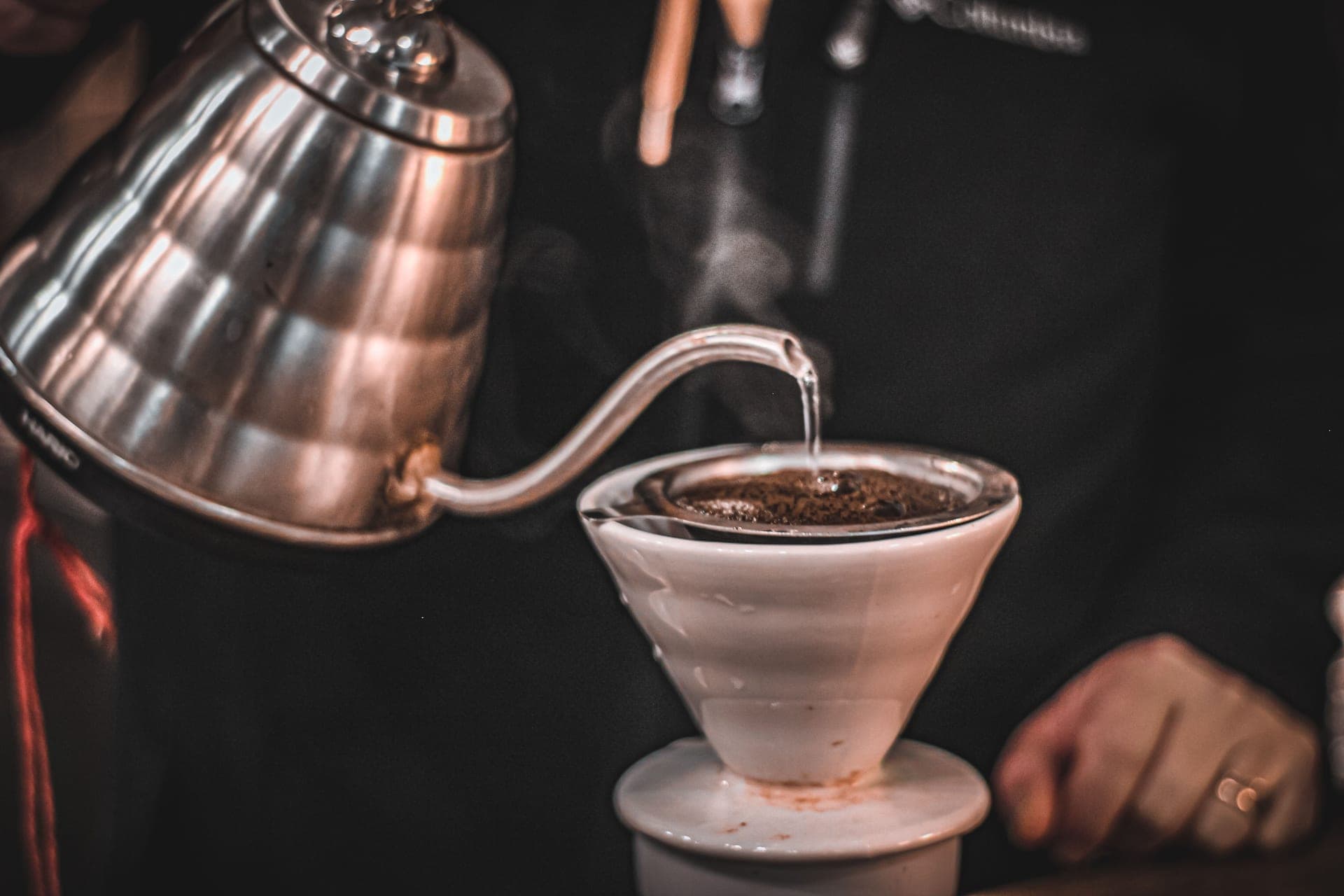
A gooseneck spout gives you a slow, narrow, aimable stream. For pour-over coffee it is close to essential. For tea it is genuinely optional — until you start brewing in small vessels. Pouring into a 100 ml gaiwan from a wide-mouth kettle is a mess; from a gooseneck it is easy. If your tea lives in a mug, the gooseneck is buying you precision you will not use.
The spec worth checking on any kettle, at any price, is what touches the water. Stainless steel, glass and enamel are all fine and inert. Plastic in the water path is the one to avoid, and the honest reason is taste rather than danger: heated plastic can carry a faint flavor into water, and tea is a drink where faint flavors are the point.
Makers who use full stainless tend to say so in the specification. Makers who do not, tend not to. That silence is informative, and it is why our picks quote the published water-contact material where one exists and say plainly when it does not.
We have not boiled water in any of these kettles. Nothing on this site is a hands-on test, and we do not publish timing figures we did not measure. What we do is read the manufacturers' published specifications, name the page each figure came from, and tell you what those numbers mean for someone making tea. Where a maker publishes nothing, we say so rather than filling the gap.
Best overall
Five kettles across every price band, chosen by what you actually drink rather than by feature count.
Top pickCOSORI Original Electric Gooseneck Kettle (CO108-NK)
Best electric
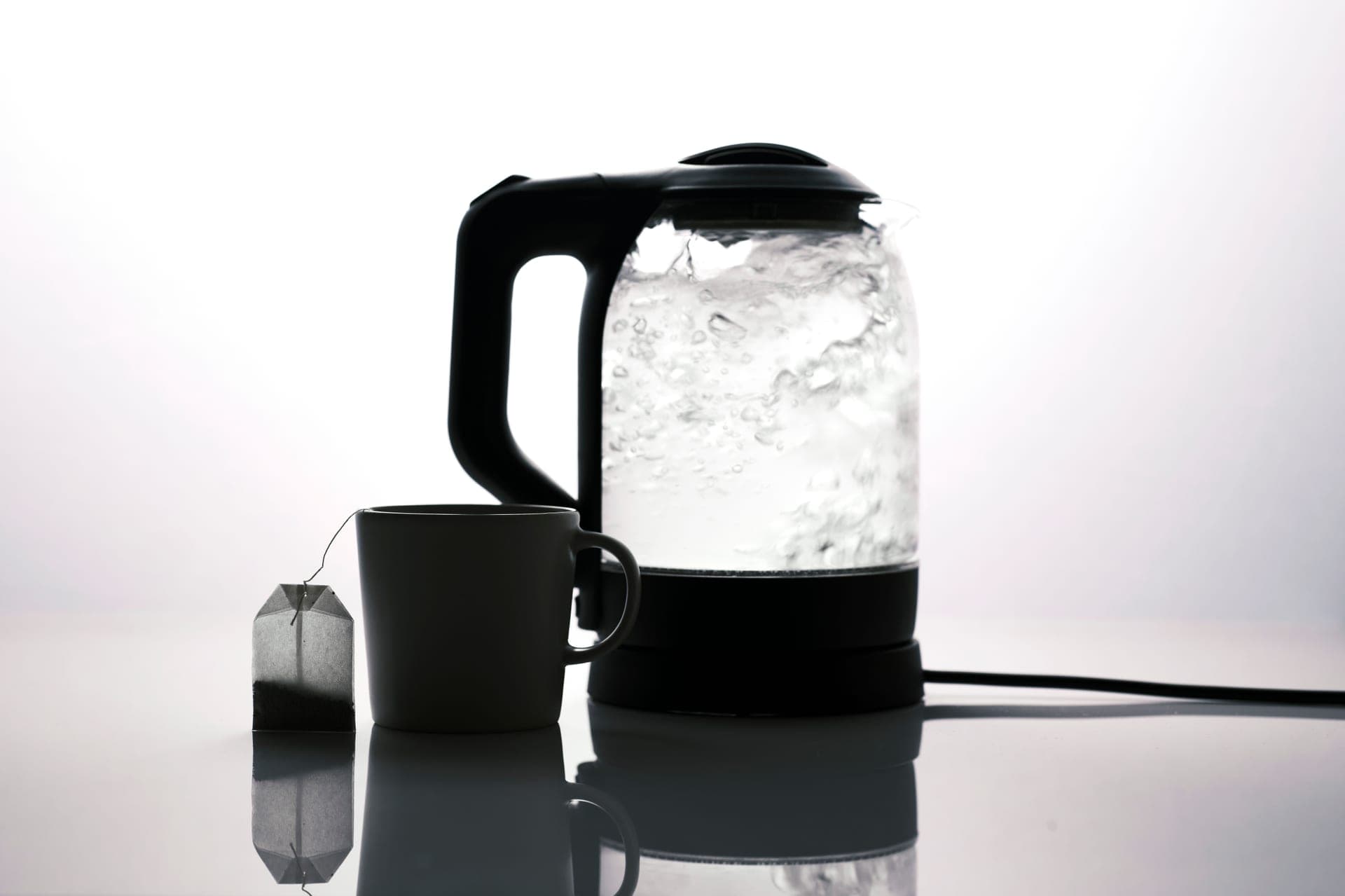
Electric kettles ranked on the specification that actually matters: how long they hold the temperature they reached.
Top pickCOSORI Original Electric Gooseneck Kettle (CO108-NK)
Best stovetop
Three stovetop kettles with published hob compatibility, and the one spec that decides whether any of them will work in your kitchen.
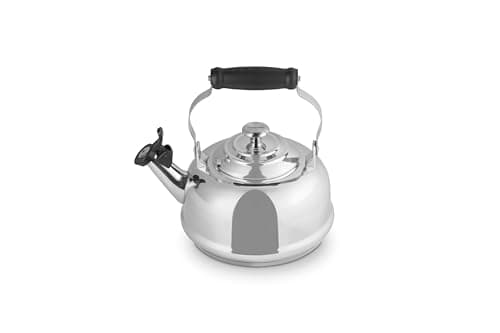
Top pickLe Creuset Classic Whistling Kettle
Model review
What Caraway publishes about its 2-quart kettle, the four specs it does not, and whether the coating claim changes anything for a tea drinker.
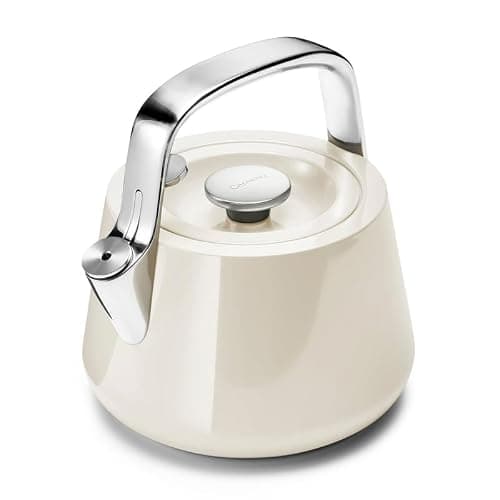
Top pickCaraway Whistling Tea Kettle
#ad · how this is funded · price checked October 17, 2026
Best gooseneck
Four goosenecks ranked on hold time and water contact, and a straight answer on whether tea needs the spout at all.
Top pickCOSORI Original Electric Gooseneck Kettle (CO108-NK)
Model review
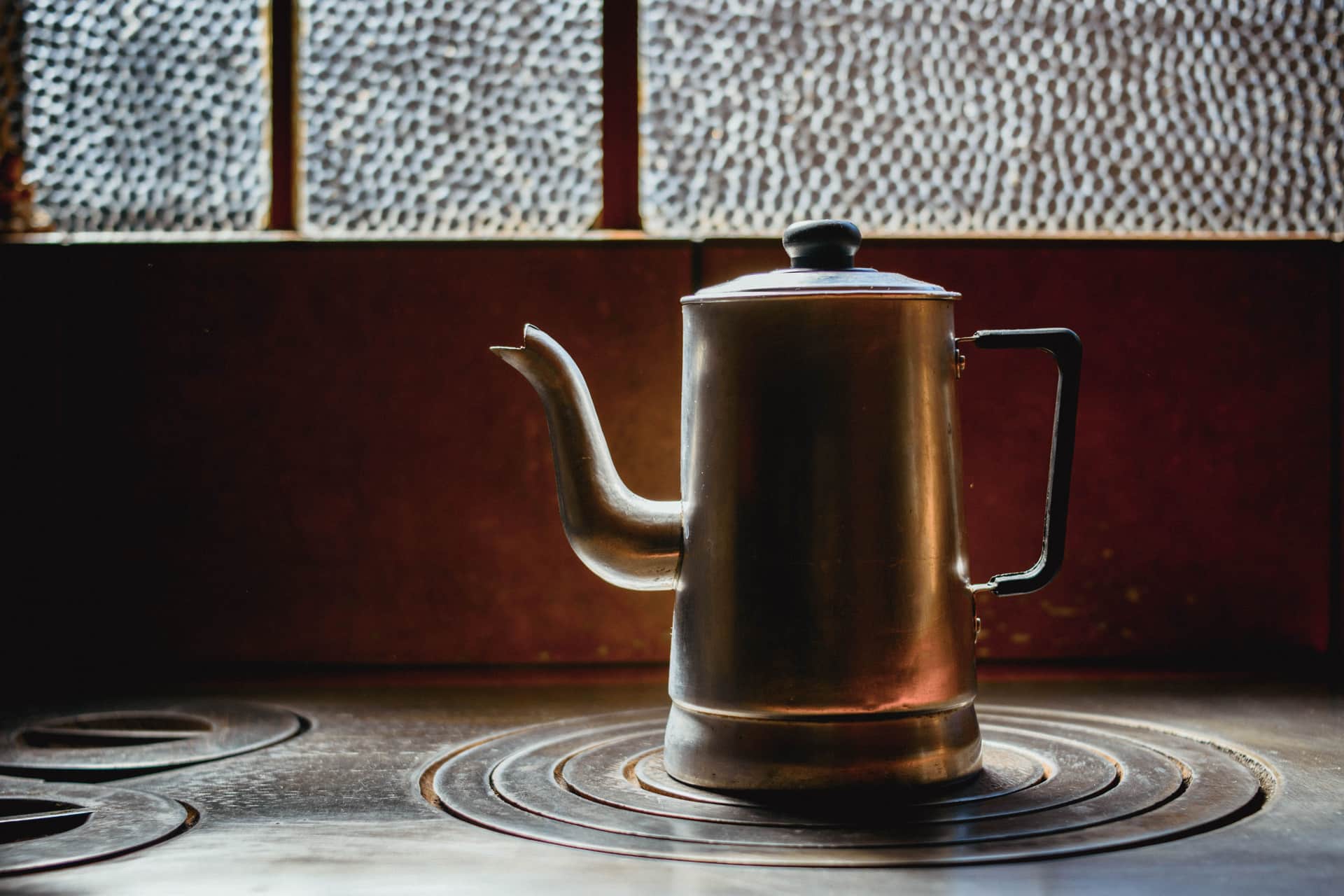
Chantal publishes every cooktop type, the enamel formulation and a base diameter. A review of what full disclosure is actually worth.
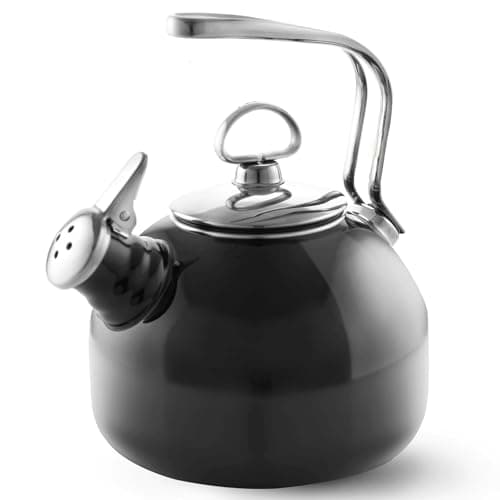
Top pickChantal Enamel-on-Steel Classic Teakettle, 1.8 Qt.
#ad · how this is funded · price checked October 17, 2026
Model review
Viking publishes a lifetime warranty, a 3-ply clad base and a handle heat break. A review of what that level of disclosure is actually worth.
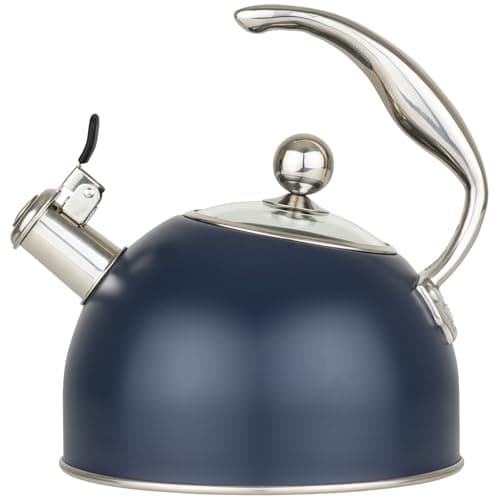
Top pickViking 2.6-Quart Stainless Steel Whistling Kettle with 3-Ply Base
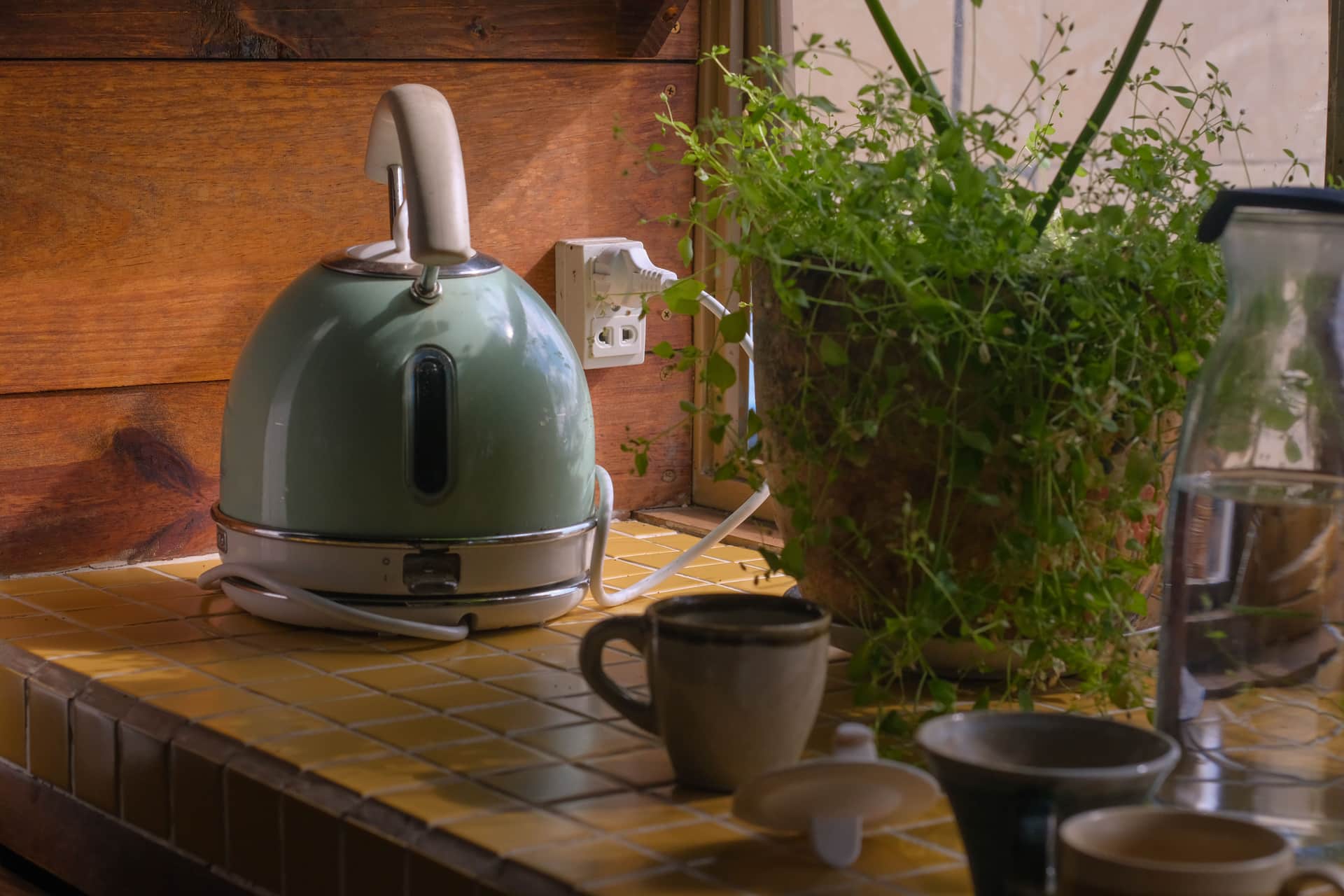
Best first kettle
Four kettles ranked against what a first-time loose-leaf buyer actually needs, including the argument for spending as little as possible.
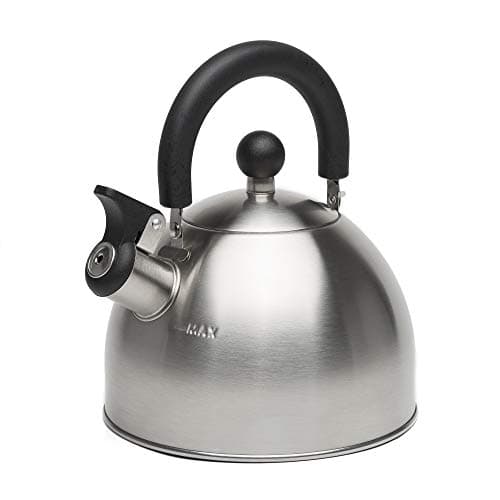
Top pickPrimula Stewart Whistling Kettle with Folding Handle, 1.5 Qt.
Best value
What a cheap kettle actually removes, what it only makes cheaper, and where the value line genuinely sits.
Top pickPrimula Stewart Whistling Kettle with Folding Handle, 1.5 Qt.
Model review
Five presets, a sixty-minute hold and a published all-stainless water path. A review of what COSORI documents and where the spec sheet stops.
Top pickCOSORI Original Electric Gooseneck Kettle (CO108-NK)
Best-looking kettle
Appearance is a fair reason to pick a kettle when performance ties. Five judged on finish durability and whether the maker documents what you are buying.
Top pickChantal Enamel-on-Steel Classic Teakettle, 1.8 Qt.
#ad · how this is funded · price checked October 17, 2026
The decision comes down to whether you drink green tea and whether you want an object with electronics in it.
A gooseneck buys you an aimable, slow stream. Whether that is worth anything depends entirely on the size of what you are pouring into.
The five kettle categories in plain English, with the specific job each one does better than the rest.
Stainless, glass and enamel are all inert. What separates kettles is whether the maker publishes what the water touches.
Made in USA is a regulated claim with an FTC standard behind it. Here is what qualifies and how to check before you buy.
Worth it if you drink green tea daily and value the removed step. Not worth it as a first purchase, and here is why.
Best for induction
Which stovetop kettles publish induction compatibility by name, which only imply it, and how to check before you buy.
Why microwaved water makes worse tea, the superheating risk nobody mentions, and the cheapest way to stop doing it.
Limescale is decided by your water, not your kettle. What a kettle can change is visibility and access - and a gooseneck makes both worse.
A water boiler removes the wait and takes a permanent piece of counter. Which one is right depends on how many times a day you actually boil.
Glass tops are decided by base flatness and weight. Almost nobody publishes either number, and we name the one maker who publishes both.
Copper-finish stainless and solid copper are two different purchases sold under one search term. What each listing does and does not tell you.
Two porcelain-enamel stovetop kettles at similar prices. Chantal publishes more, costs less and weighs more; Le Creuset has the name.
Only for green and white tea, which want water well below boiling. Black, herbal and most pu-erh want boiling water, so a plain kettle is the right tool. If green tea is the reason you are asking, a thermometer is the cheaper fix.
It is worth it if you brew into small vessels like a gaiwan or a 300 ml pot, where a wide spout overshoots. If you brew in a mug it buys you precision you will never need. It is far more important for pour-over coffee than for tea.
Electric if you want speed or temperature control. Stovetop if you want an object with nothing in it that can break, and you are happy either boiling or using a thermometer. Both make identical water.
Stainless steel, glass and porcelain enamel are all inert and fine. What matters is avoiding plastic in the water path, because heated plastic can carry a faint taste into water. Check what the maker publishes about water-contact parts.