Almost every bad cup of loose-leaf tea is one of three mistakes: the water was too hot, the leaves sat too long, or there was not enough leaf. Fixing those three costs nothing and requires no equipment you do not already have.
This hub is where we keep the reference material, and it is the part of the site with the strictest sourcing rule: every temperature, time and ratio names the page it came from. Numbers in tea writing get copied between sites until nobody can say where they originated, and a beginner deserves to know whether a figure is a manufacturer's specification, a tea seller's recommendation, or somebody's habit.
Temperature is the one that ruins tea fastest
Green and white teas are lightly oxidized and full of compounds that turn harsh when scorched. Art of Tea publishes 160-180F for green and 160-185F for white. Black tea, fully oxidized, takes 200-212F, and herbal tisanes take 200-212F for five to seven minutes.
The useful mental model is that the less oxidized the tea, the cooler the water. If you remember nothing else, remember that green tea does not want boiling water, and that a boiled kettle left open for two or three minutes has usually fallen far enough.
Time is a preference, within limits
Steep times are the parameter you are most entitled to adjust. The published ranges — one to three minutes for green and white, three to five for black — are starting points, and if you like your black tea at four minutes you are not doing it wrong.
Where time stops being a preference is at the top end. Leaves left in water indefinitely keep extracting tannins and the result is genuinely, chemically bitter, not just strong. That is the argument for removing the infuser rather than leaving it in, and for a press pot over a plain teapot if your tea sits on the table.
Ratio is the variable nobody mentions
Art of Tea's published guidance is about a tablespoon of loose leaf per 8 ounces of water. That is a volume measure, and volume is where teaspoons quietly fail: rolled gunpowder green is dense and fluffy white tea is not, so the same spoon delivers very different amounts of actual tea.
This is the honest case for a scale, and it is also why we tell beginners not to buy one yet. Learn what you like using a spoon. When a tea you liked starts tasting inconsistent, that is the day the scale earns its place.
What we have not done
We have not run brewing trials, we do not have a lab, and we do not publish taste-test results. Every figure here is somebody else's published guidance, cited, with a note on how much it varies between sources. Where two credible sources disagree, we say so rather than picking one and presenting it as settled.
What to buy
Roundups and reviews
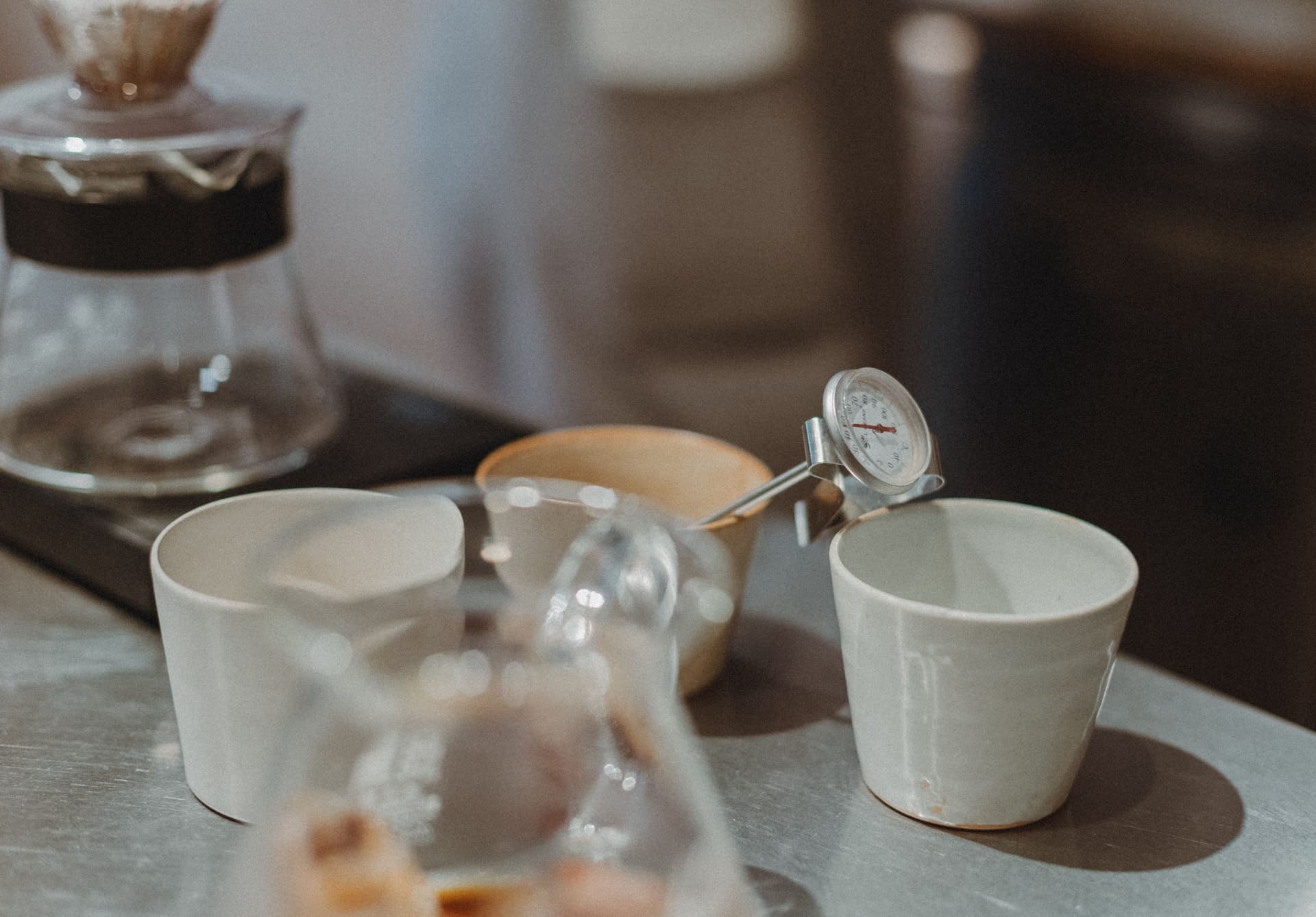
Best brewing accessory
Four accessories ordered by impact rather than price, including the one we tell you to buy last.
Top pickVarious Instant-Read Kitchen Thermometer
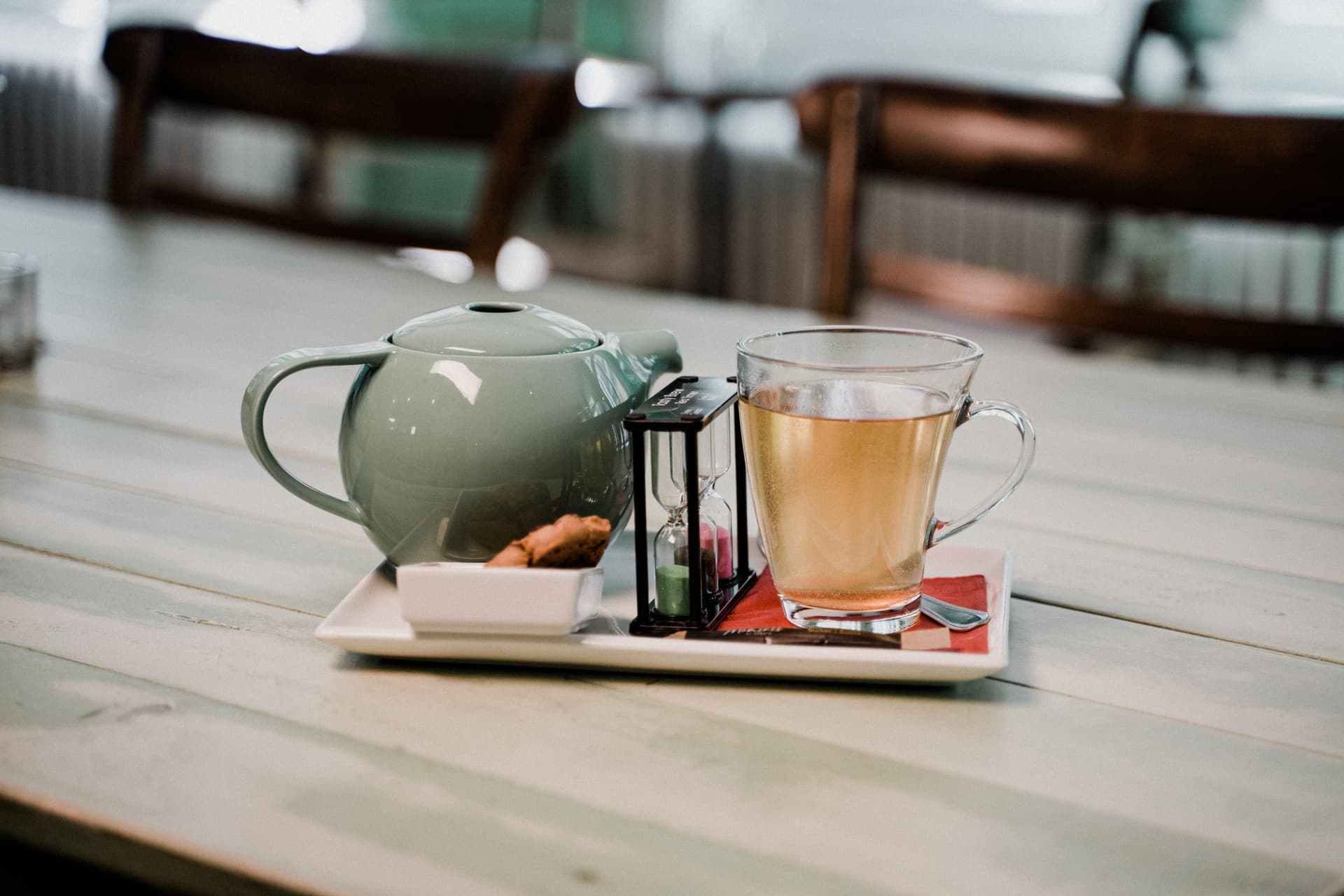
Best iced tea maker
Three cold-brew vessels whose maker publishes every material, ranked on the two things that decide it: whether the strainer lifts out, and whether it fits your fridge.
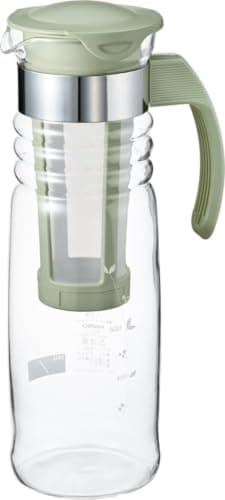
Top pickHARIO Mizudashi Cold Brew Tea Pot, 1200 ml
Guides and comparisons
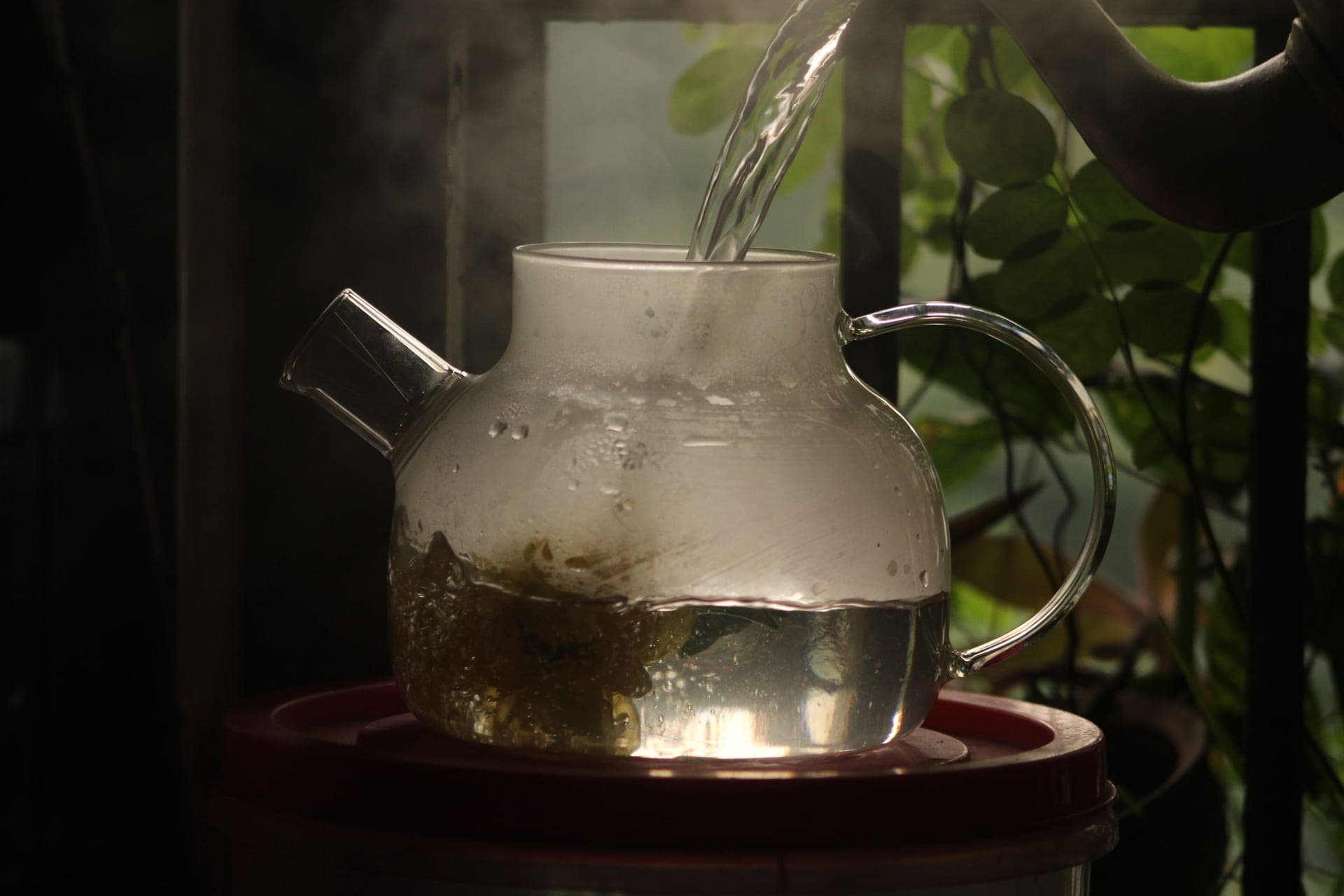
Published brewing temperatures in F and C for every tea type, with the source named for each figure.
Published steep times by type, the reason the ranges are wide, and what over-steeping actually does to the cup.
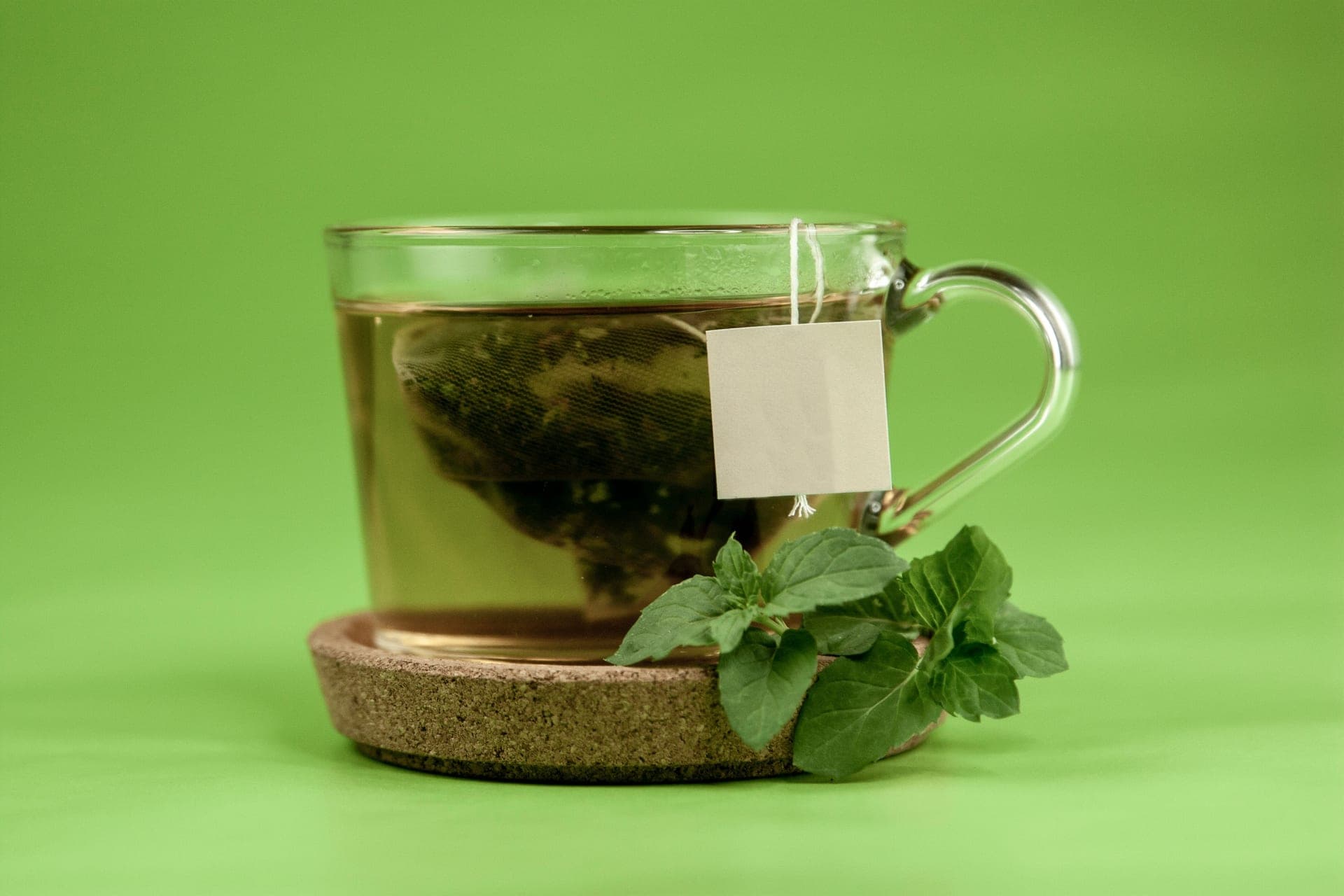
The complete method in five steps, with published parameters and the four mistakes that account for most bad cups.
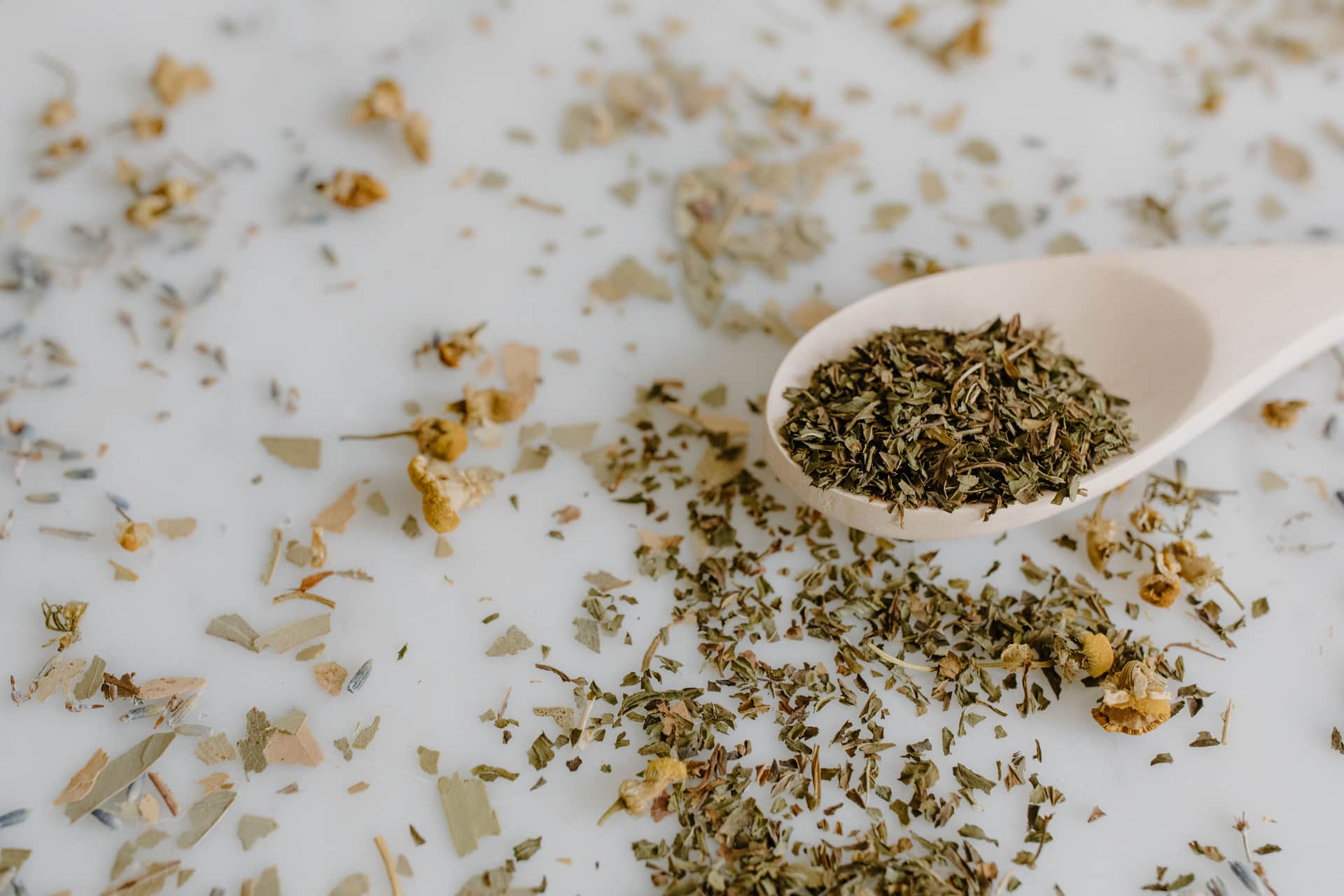
The published ratio, why a spoon is unreliable across tea types, and the point at which weighing starts to matter.
The forty-degree gap between green tea and boiling water, what it does to the cup, and three ways to close it.
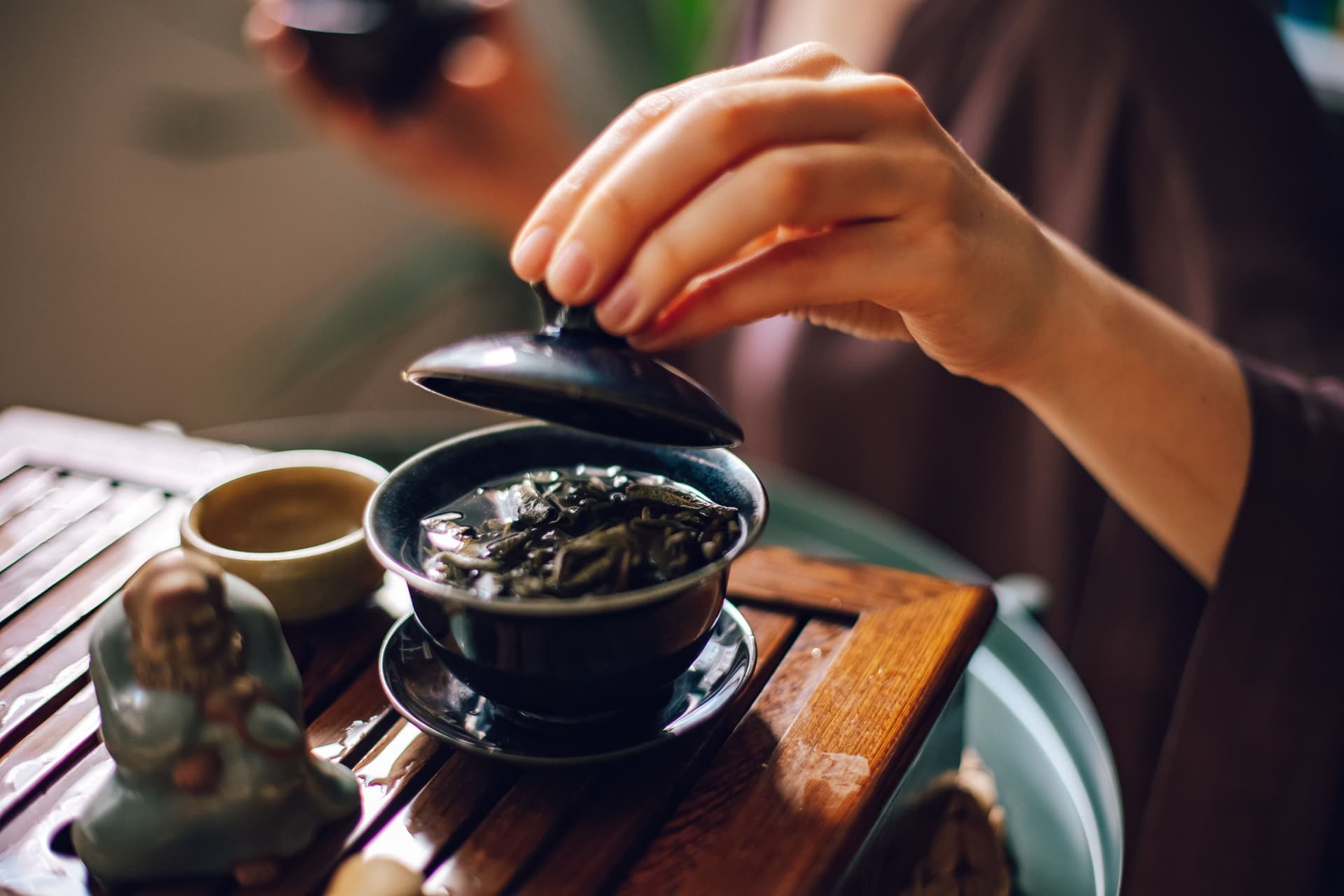
Oolong's published parameters, why leaf style changes the steep, and the two brewing approaches that suit it.
Cold brewing in the refrigerator, the ratio to start from, and why this is the one method that is hard to get wrong.
Four causes of bitter tea, ordered by how likely they are, with the free fix and the paid fix named separately for each one.