Best teapot
The best teapots for loose-leaf tea
Four teapots covering glass, press and cast iron, chosen on published capacity, materials and safety limits.
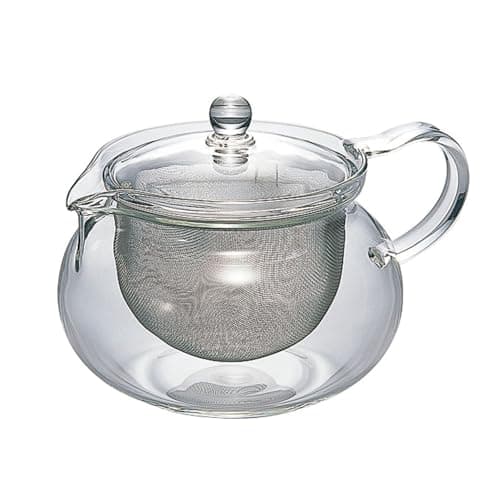
Top pickHARIO ChaCha Kyusu Maru Tea Pot
Steep & Spout
A teapot is a heat-retention decision wearing a decorative disguise. Pick for how long your tea sits.
The first thing to be clear about is that you do not need one. A mug and a basket makes the same tea. A teapot is for serving more than one cup — either to more than one person, or to yourself across an afternoon — and that single distinction should drive the whole purchase.
Once you accept that, the material question stops being about looks and becomes about how long the tea has to stay hot. Glass loses heat fastest. Ceramic and porcelain sit in the middle. Cast iron holds it longest — Primula publishes up to an hour for its enameled pots, which no glass vessel approaches.
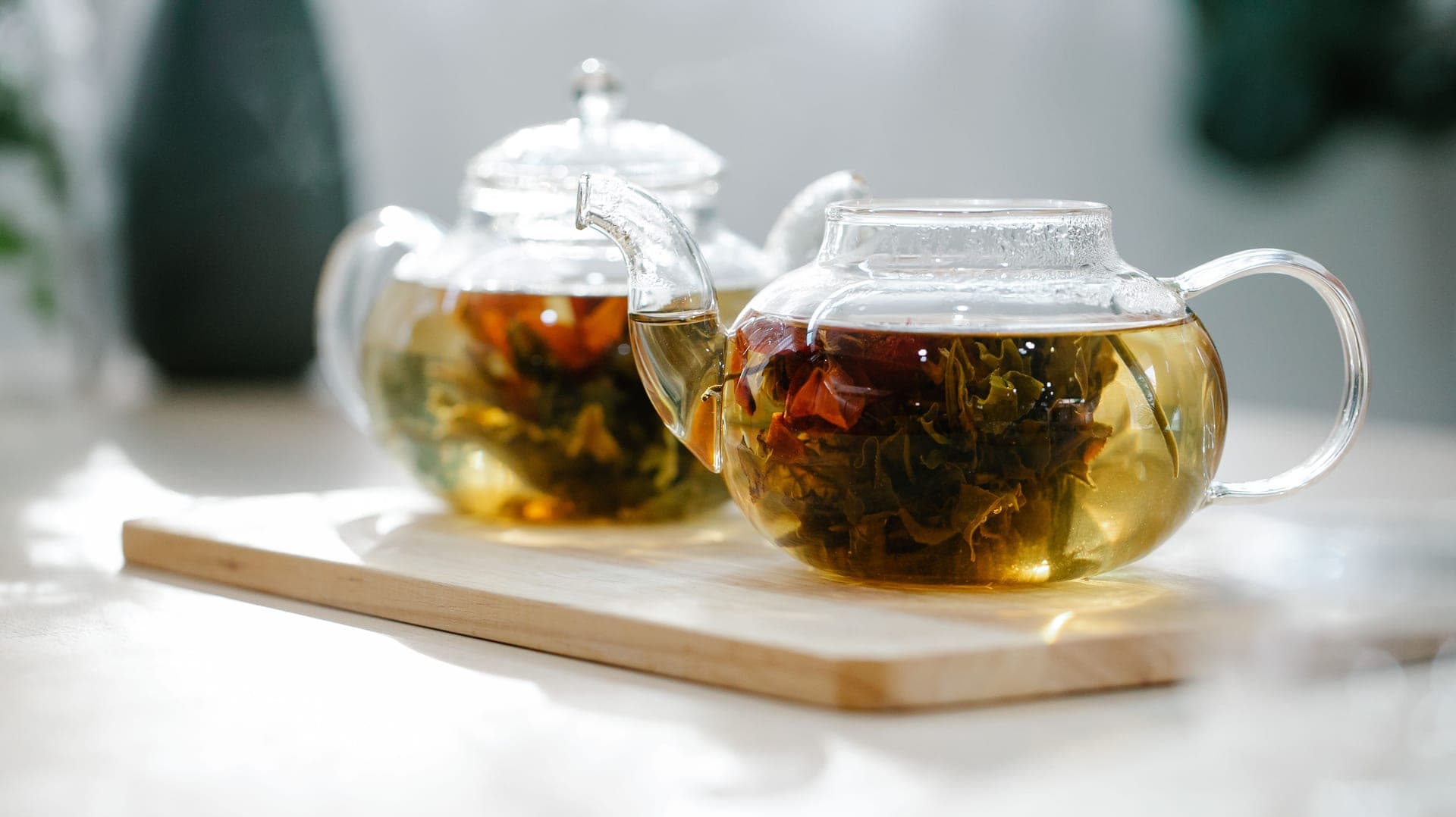
Glass teapots exist because loose-leaf tea is interesting to look at, and that is a completely legitimate reason to own one. There is a practical benefit too: you can see the color of the liquor, which is the fastest way for a beginner to learn what a two-minute steep looks like versus a four-minute one.
The catch is thermal. A glass pot on a table cools quickly, so the third cup is noticeably cooler than the first. And glass has a safety line that matters: most glass teapots are not stovetop vessels. Hario states plainly that its ChaCha Kyusu is safe for hot water, microwave and dishwasher but not for the oven, an induction hob or an open flame. Assume that is true of any glass pot unless the maker explicitly says otherwise.
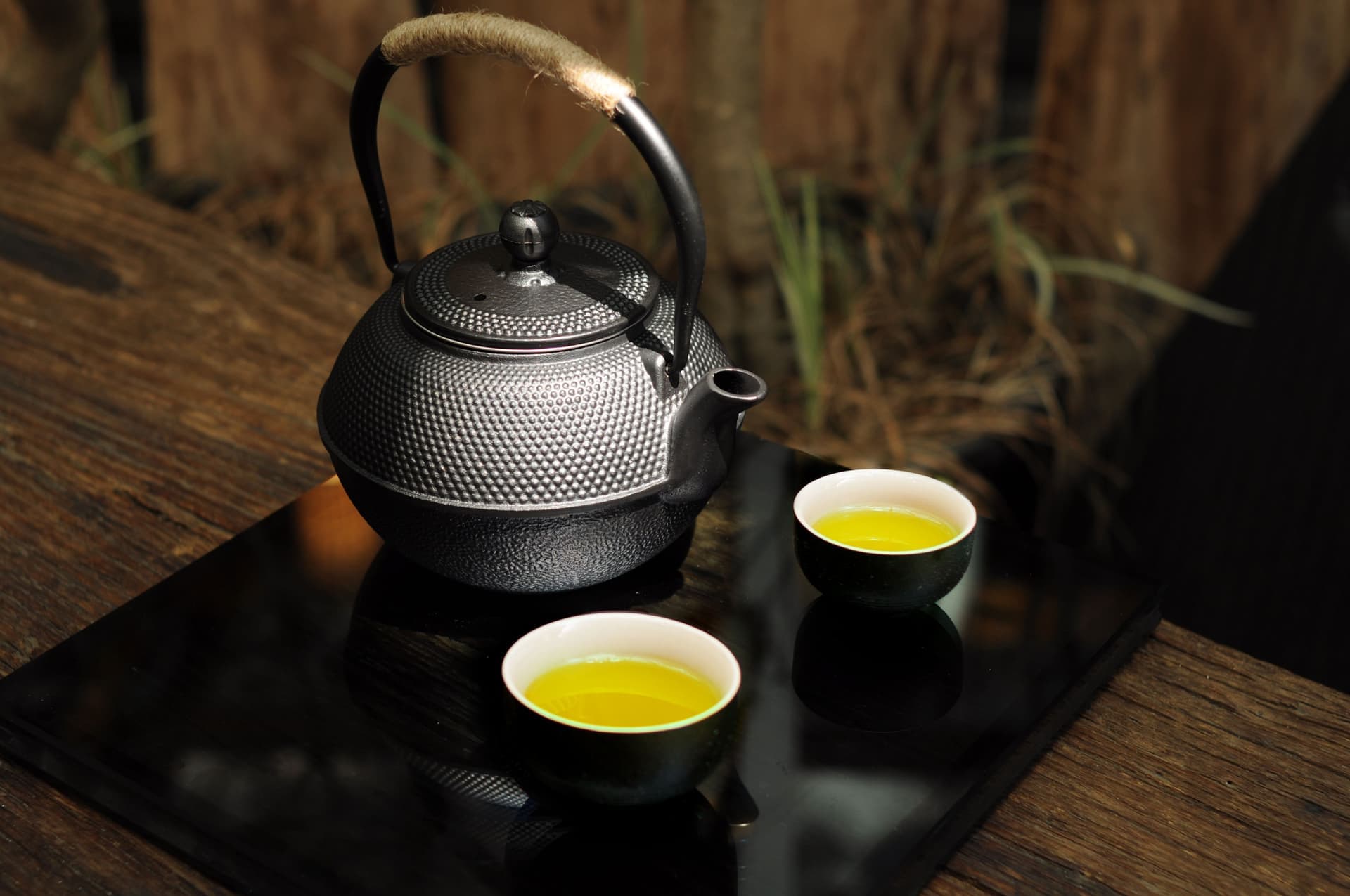
Cast iron is the heat-retention answer and there is one distinction that decides everything about living with it. Enameled cast iron has a glass lining: no seasoning, no rust, wash and dry normally. Bare cast iron, the traditional tetsubin, must be dried immediately every time or it rusts, and it develops a mineral patina that many people specifically want.
For a first cast-iron pot, buy enameled. The traditional one is a commitment to a maintenance routine, and it is a much better second purchase than a first.
Neither is a kettle. Cast iron teapots are brewing vessels and most are explicitly not for the hob. Boil water separately and pour it in.
A gaiwan is a lidded bowl you brew in and pour from, using the lid as a gate. It is usually the least expensive vessel in any tea shop and it is the one we would push a curious beginner towards, because it makes short repeated infusions easy.
That matters more than it sounds. A three-minute mug steep averages a tea's whole character into one flavor. Four thirty-second infusions from a gaiwan show you that same tea changing, and that is the fastest way to work out what you actually like. There is no mechanism, no filter and nothing to replace.
Buy for the number of people who will actually drink. A 700 ml pot is right for two or three; a 300 ml pot is one generous mug. A half-filled large pot cools faster and brews worse than a filled small one, so the biggest pot is rarely the safest choice.
Best teapot
Four teapots covering glass, press and cast iron, chosen on published capacity, materials and safety limits.
Top pickHARIO ChaCha Kyusu Maru Tea Pot
Best glass teapot
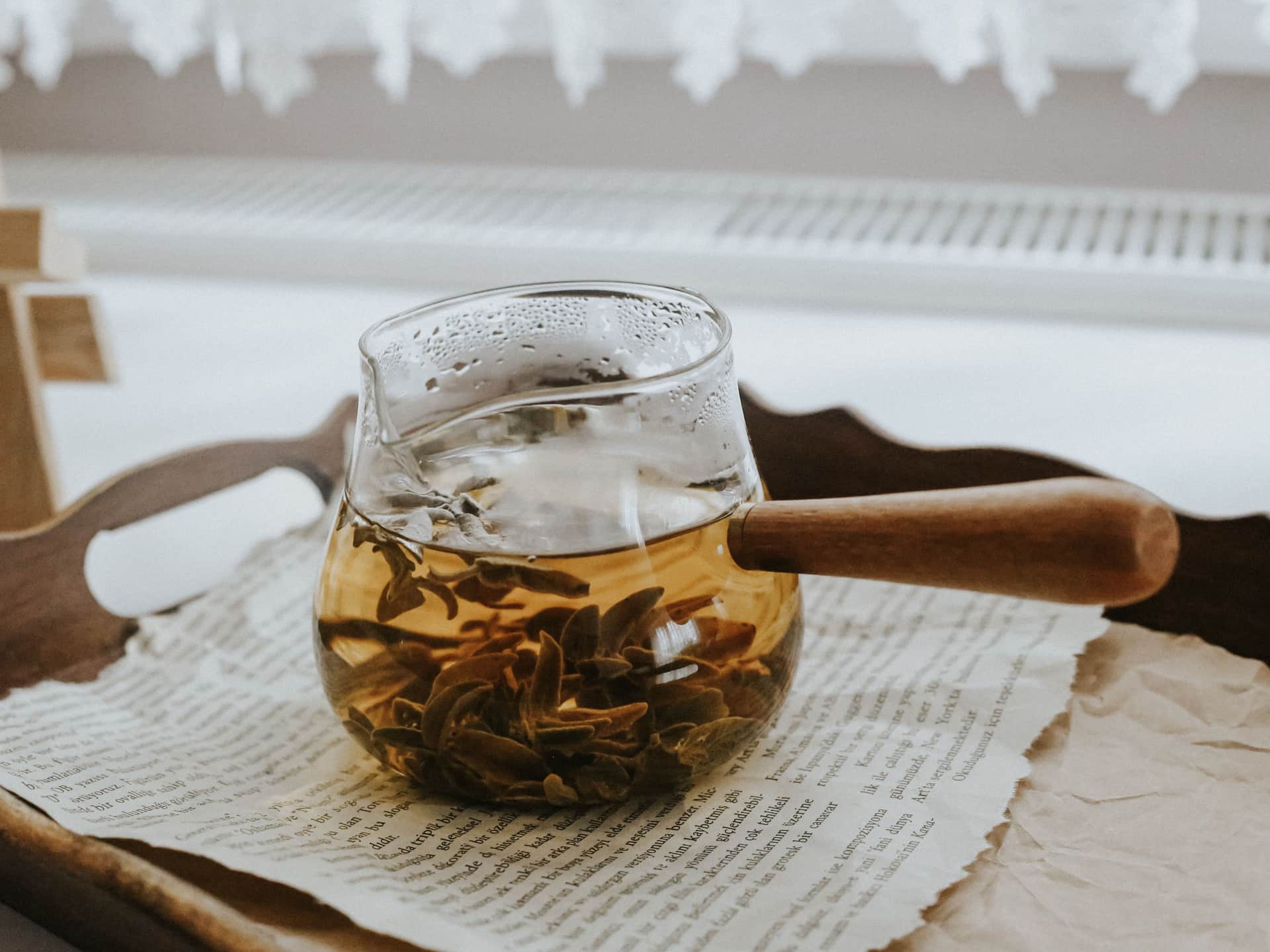
Three glass teapots, and the single specification that separates a long-lived one from a cracked one.
Top pickHARIO ChaCha Kyusu Maru Tea Pot
Best teapot with infuser
Built-in infusers ranked by basket geometry, which is the only thing that separates a good one from a bad one.
Top pickHARIO ChaCha Kyusu Maru Tea Pot
Best cast iron teapot
Cast iron holds heat longer than anything else here. The interior lining decides whether owning one is easy or a routine.
Top pickPrimula Cast Iron Teapot with Enameled Interior
#ad · how this is funded · price checked October 17, 2026
Best teapot warmer
Base diameter decides fit and the candle decides duration. Three warmers whose maker actually publishes both, and when a warmer is the wrong fix.
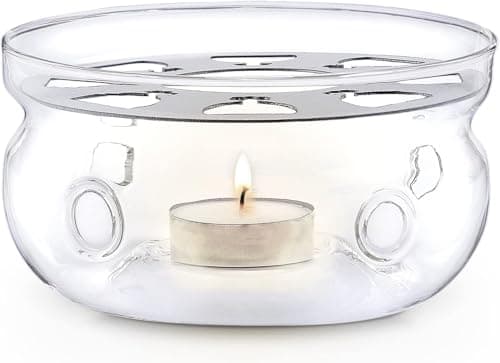
Top pickTeabloom Universal Glass Tea Warmer, 6 in.
#ad · how this is funded · price checked October 17, 2026
Model review
A 34 oz glass press that ends extraction with a plunge. The mechanism is the product; the thin spec sheet is the cost.
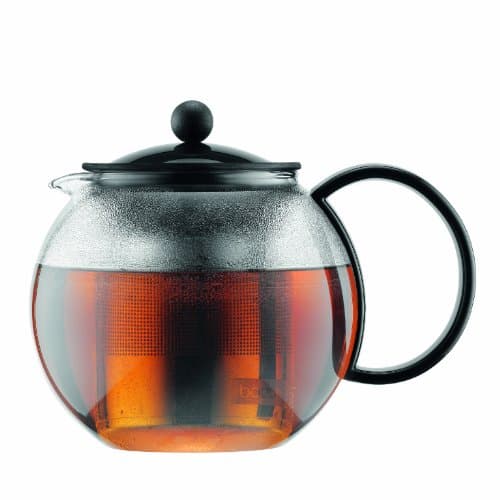
Top pickBodum Assam Glass Tea Press
Model review
Borosilicate glass, a full-width stainless strainer and three published practical capacities — plus a published list of what it cannot do.
Top pickHARIO ChaCha Kyusu Maru Tea Pot
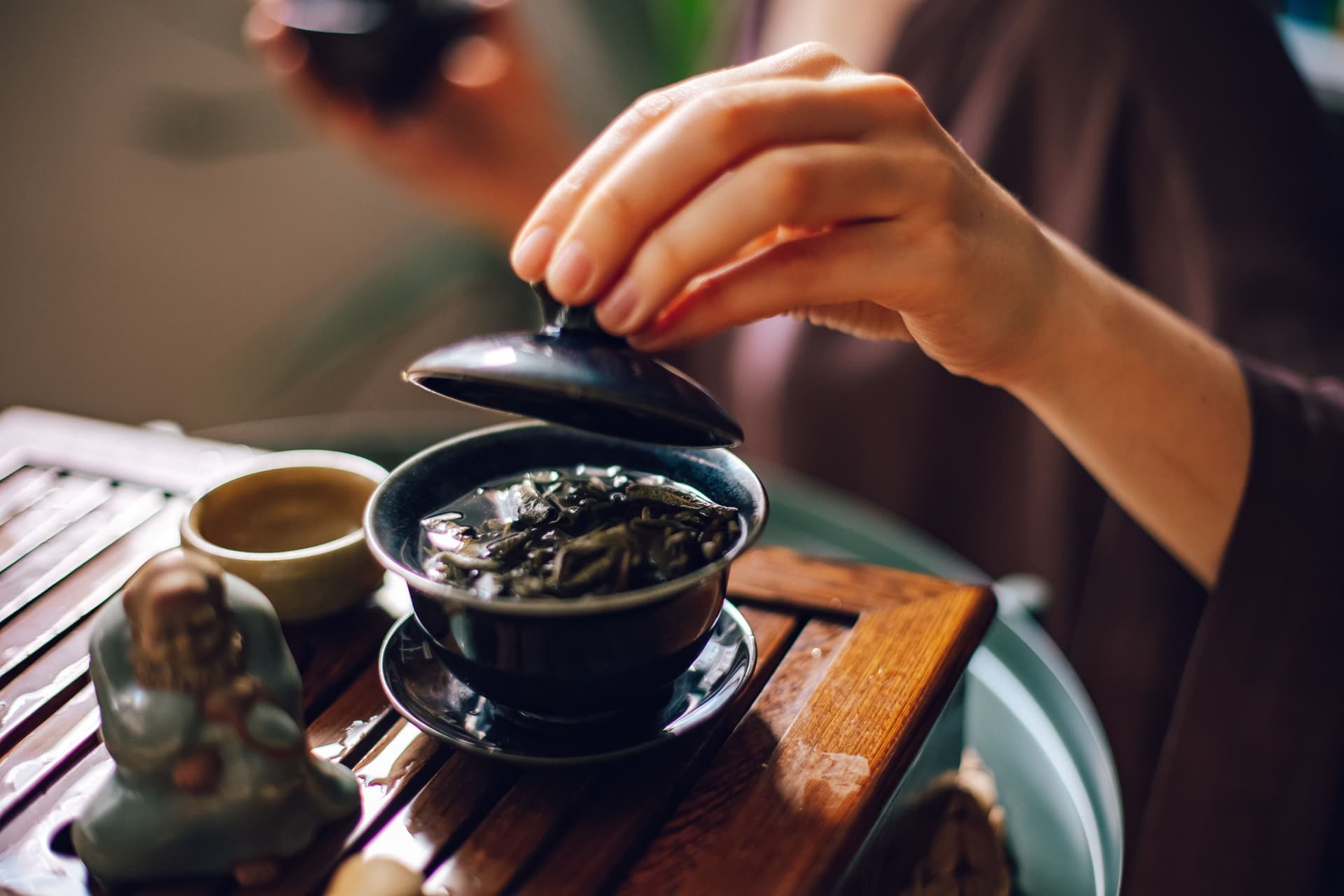
A gaiwan is for tasting a tea properly; a teapot is for serving one. Buying the wrong one is a mismatch of purpose, not quality.
Five teapot materials on heat retention, flavor neutrality and how much upkeep each one demands.
The grip, the ratio and the rhythm of short infusions, written for someone holding a gaiwan for the first time.
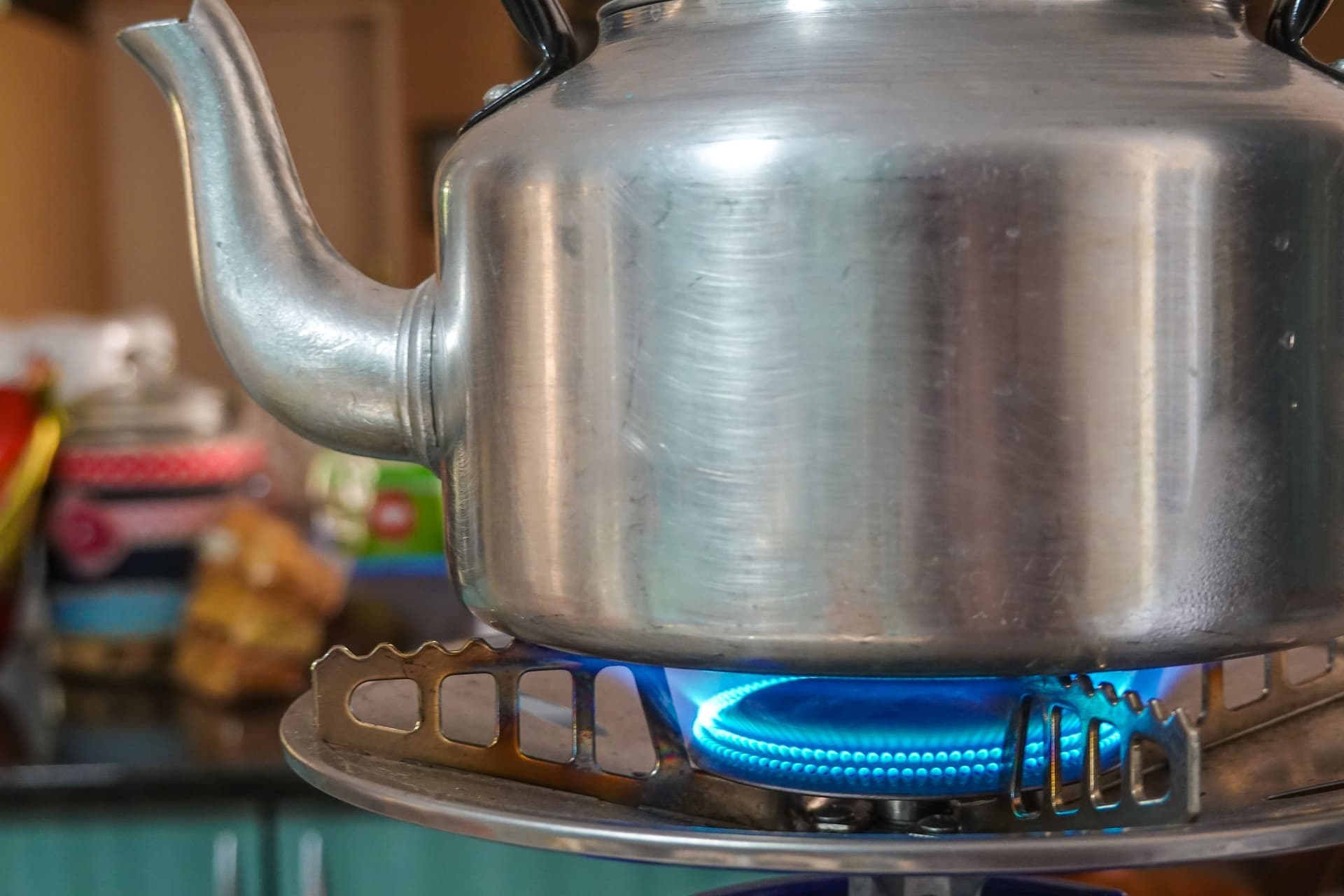
Most teapots crack on a hob. How to read the safety statement, and why boiling separately is almost always the answer.
The enameled-versus-bare distinction, the preheat that makes cast iron worth owning, and how to dry a tetsubin.
Material by material: what safely removes tea staining, what damages the pot, and why unglazed clay is washed with water only.
Teapot capacity matched to the number of people who will actually drink, and why the biggest pot is rarely the safest choice.
A kettle boils water; a teapot brews it. The confusion is common, it is expensive when it goes wrong, and most people end up owning both.
Cast iron buys about an hour of heat retention and costs you weight, visibility and a chippable enamel lining. Whether that trade is good depends on one habit.
Usually no. Hario states its ChaCha Kyusu is not safe for the oven, an induction hob or an open flame, and that is typical. Some borosilicate pots are sold as stovetop safe; treat that as a claim to verify on the specific listing, never an assumption.
Better at holding heat, worse at everything visual. Primula publishes up to an hour of heat retention for its enameled cast iron. If your tea sits on a table for an afternoon, cast iron. If you want to see the leaves, glass.
A lidded bowl you brew in and pour from. You do not need one, but it is usually the cheapest vessel in the shop and it makes short repeated infusions easy, which is the fastest way to learn what a tea actually tastes like.
Match the number of drinkers, not the ambition. Around 300 ml is one large mug, 700 ml serves two or three. A half-full pot cools quickly and is a worse cup than a full smaller one.