There is a strange gap in tea writing. Search for tea for coffee drinkers and you will get lists of teas — strong black blends, matcha, yerba mate — from people trying to match a flavor profile. Almost nobody mentions the far more useful fact: if you make coffee with any care at all, you already own most of a tea setup.
This hub exists to close that gap. It is written for someone with a pour-over cone, a gooseneck kettle, a scale and a grinder on the counter, who has never bought a piece of tea equipment and does not need to buy much.
What transfers directly
Your kettle. If it is a variable-temperature pour-over kettle, it is a better tea kettle than most kettles sold as tea kettles. Pour-over lives around 195-205F; tea spans roughly 160F to 212F, and any kettle that hits the coffee range covers the top half of the tea range outright.
Your scale. Tea ratios are measured the same way and for the same reason — leaf density varies as much as bean density. You already own the solution to a problem most tea beginners do not know they have.
Your French press, if you have one. It is a tea press with a coarser filter. Leaves loose in the water, plunge to stop the steep. It is genuinely a good way to make tea and it costs nothing to try tonight.
Your timer and your habit of using it. Tea steeping is more time-sensitive than coffee brewing, and you already reach for a timer without thinking about it.
What does not transfer
Your grinder. Tea leaves are not ground; grinding them destroys the structure that even extraction depends on. The only exception is matcha, and matcha is stone-ground to a fineness no burr grinder reaches.
Your paper filters. Paper strips too much and tea does not have coffee's oil content to spare. Metal mesh is the right filter for tea, which is why a French press works and a V60 with paper does not.
Your intuition about strength. Under-extracted coffee is sour; under-extracted tea is just thin. Over-extracted tea is bitter in a way that arrives much faster than coffee's equivalent. The failure modes do not map onto each other and it takes a few cups to recalibrate.
Caffeine, honestly
Tea has less caffeine than coffee per cup, but the gap is smaller and more variable than the folklore suggests, and it depends heavily on leaf, dose and steep time. The FDA cites 400 mg a day as an amount not generally associated with negative effects in healthy adults, which is the only figure here from a regulator rather than a seller.
We work through the arithmetic rather than repeating a number, because this is exactly the sort of figure that gets copied between sites until it means nothing.
What to buy
Roundups and reviews
Best switch kit
Which teas suit a coffee palate, which of your coffee gear already works, and the two cheap things you still need.
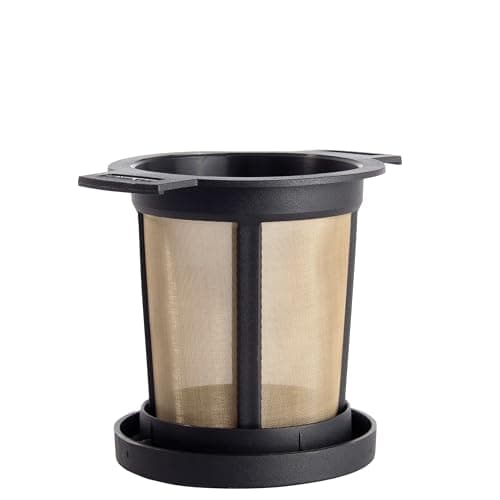
Top pickfinum Brewing Basket
Best dual-duty kettle
The two jobs share a spout requirement and disagree on temperature. Four kettles that cover both, ranked on the tea half rather than the coffee half.
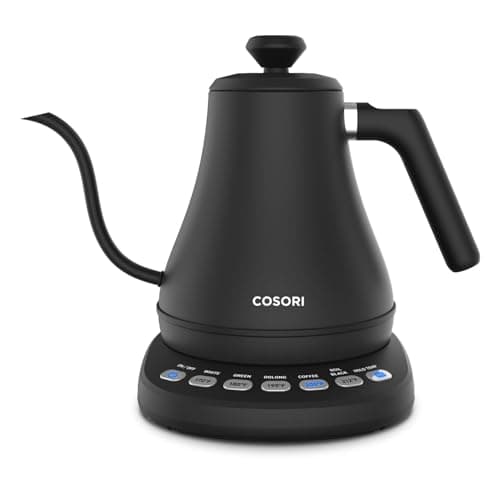
Top pickCOSORI Original Electric Gooseneck Kettle (CO108-NK)
Guides and comparisons
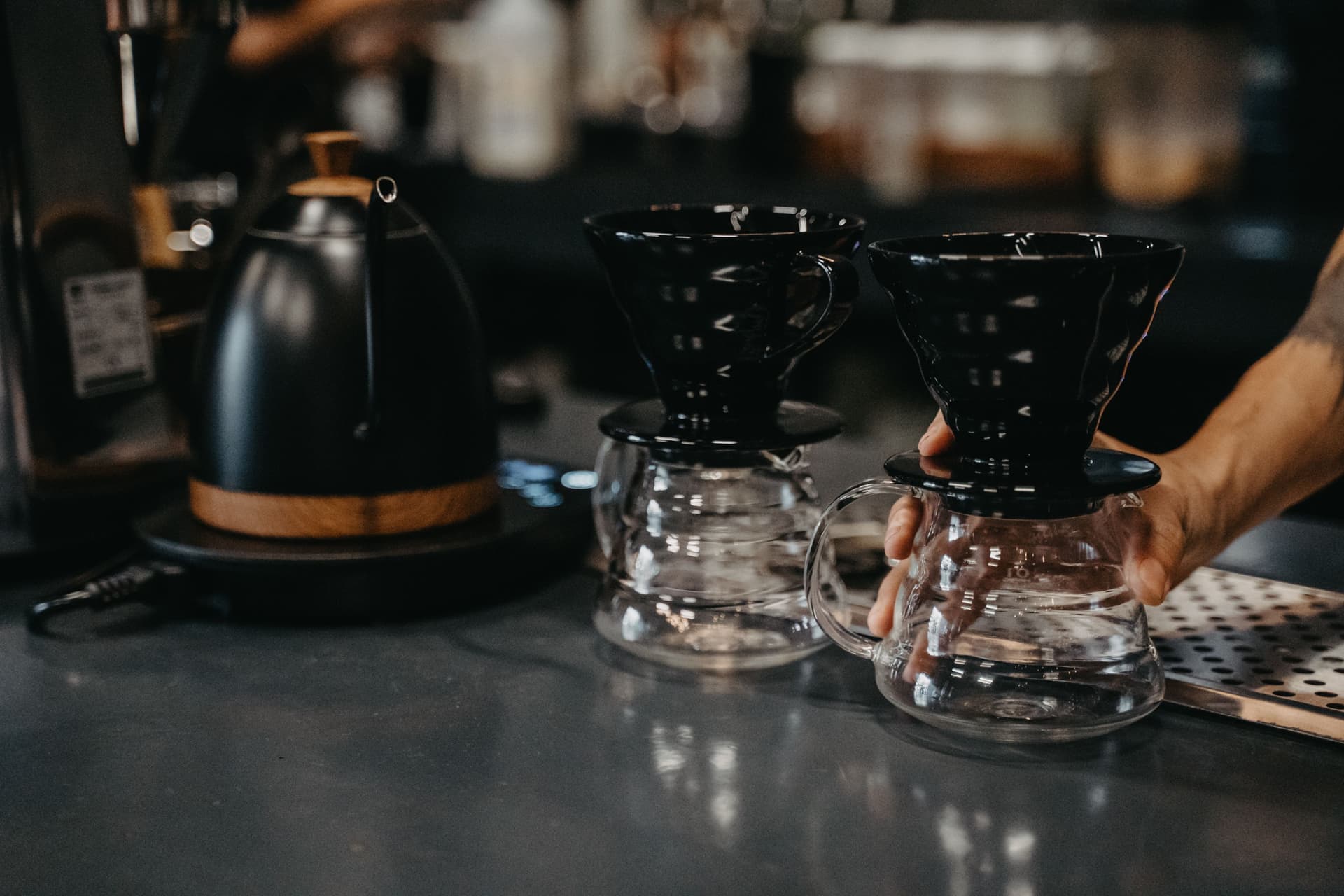
Item by item through a coffee setup: what transfers to tea, what does not, and the ten dollars that completes it.
What the FDA actually publishes about caffeine, why per-cup tea figures are ranges, and the variables that move them.
The cost-per-cup formula, the re-steeping multiplier nobody includes, and why we publish no headline figure.
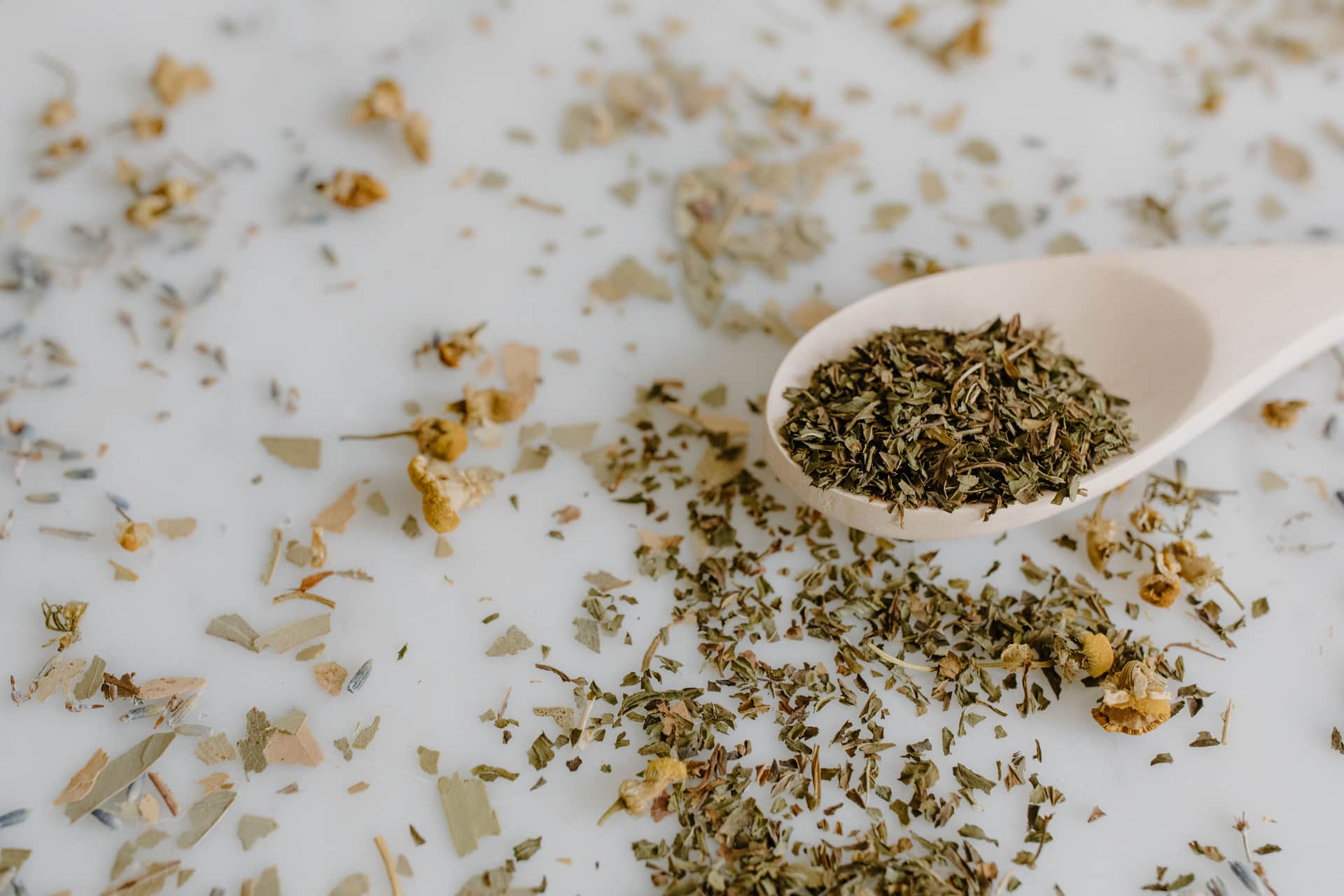
What strong actually means, why brewing moves it more than leaf choice does, and how to get there without bitterness.
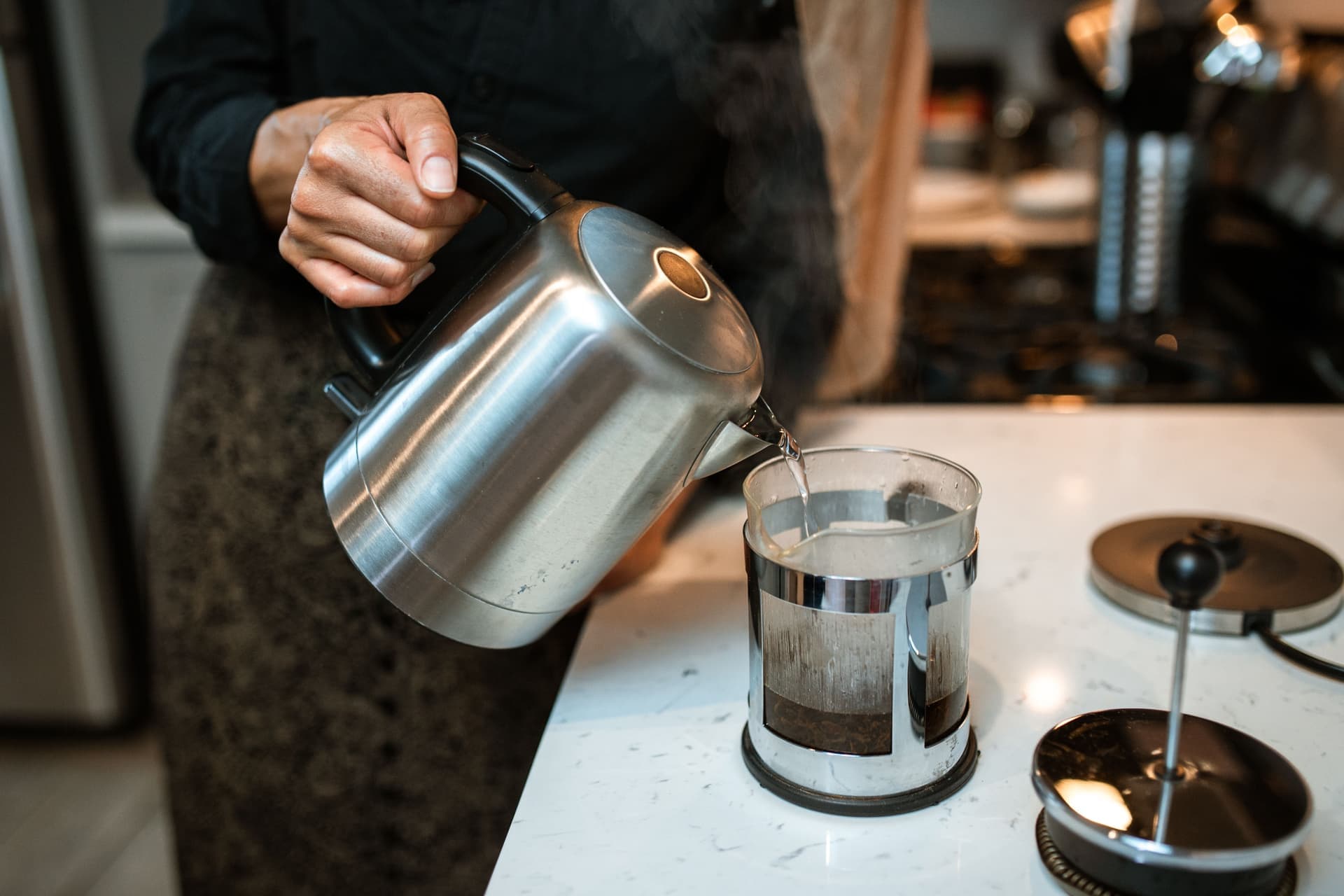
The method, the two things that go wrong, and why the plunge is a genuine advantage over an ordinary teapot.
Keurig publishes 192F internal and 180-185F in cup. Set against the published tea bands, that decides most of this comparison.