Tea Kettles
Gooseneck vs regular kettle
The gooseneck solves a real problem. Whether you have that problem depends on what you pour into.
We earn a commission if you buy through the links on this page, at no extra cost to you. It does not change which products we name or what we say about them — how this is funded.
If you brew tea in a mug, you do not need a gooseneck. If you brew in a gaiwan, a 300 ml teapot, or you also make pour-over coffee, you do. That really is the whole decision, and the tea internet complicates it far past its actual weight.
What a gooseneck actually does
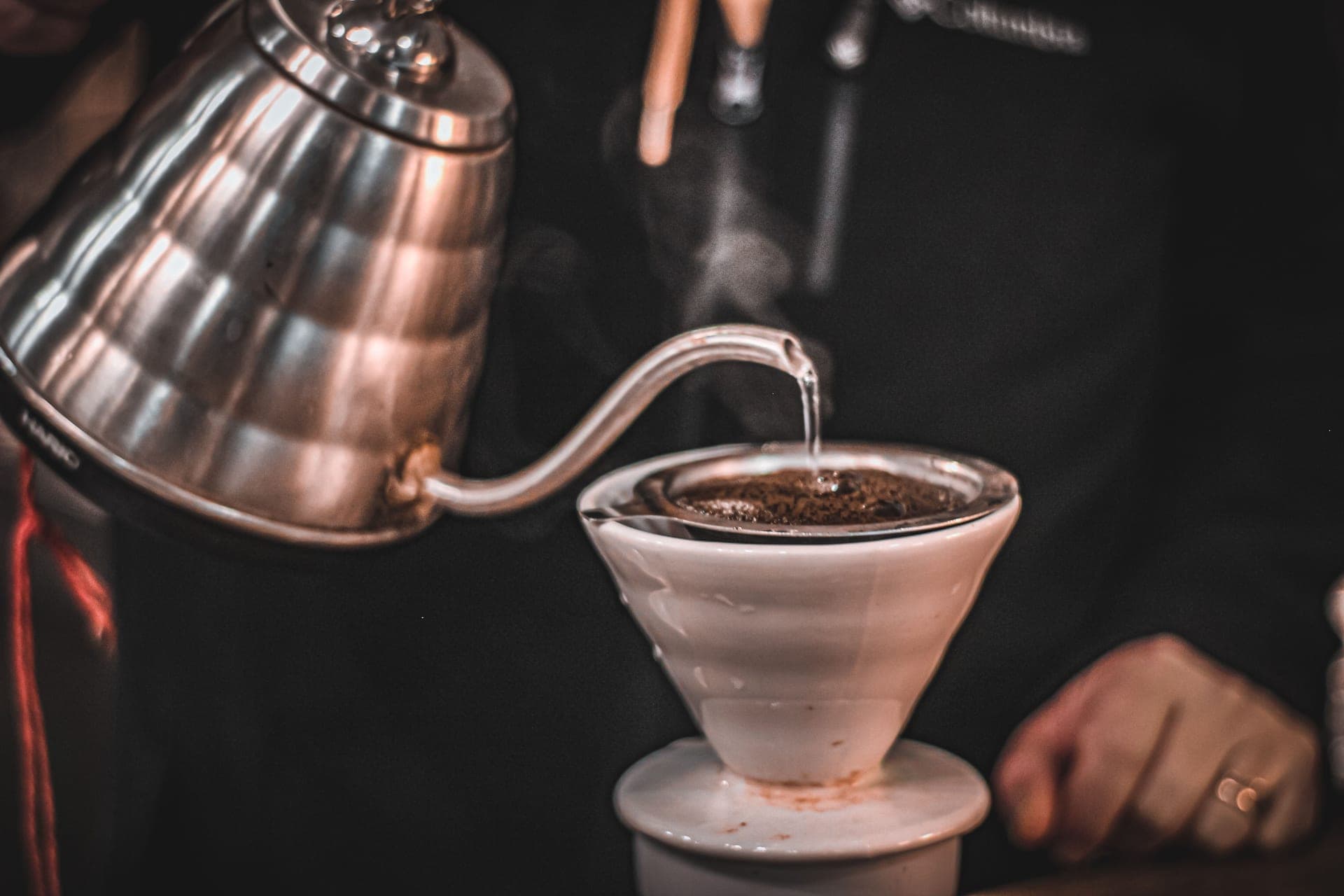
A gooseneck is a long, narrow, curved spout. It slows the flow and makes the stream aimable, so water lands where you point it rather than arriving as a surge. That is genuinely useful for two things: saturating a coffee bed evenly, and hitting a small vessel without splashing.
For tea specifically, the second one is the case. A 100 ml gaiwan has an opening the size of a teacup and it is full after a couple of seconds. Pouring into it from a wide-mouth kettle is a mess. From a gooseneck it is easy.
| What you brew in | Gooseneck useful? | Why |
|---|---|---|
| A mug with a basket infuser | No | Wide opening, no precision required |
| A 700 ml teapot | Not really | Big target, and you are filling it fully |
| A 300 ml teapot | Somewhat | Small opening, easy to overshoot |
| A gaiwan | Yes | Tiny target, fills in seconds |
| Pour-over coffee | Yes | Even saturation depends on stream control |
What a gooseneck costs you
Capacity, mostly. Narrow spouts and large bodies do not pair well, so gooseneck kettles run small. COSORI publishes 0.85 qt / 0.8 L, Fellow publishes 30 oz / 0.9 L, OXO publishes 1 liter. Against a 1.7 qt stovetop kettle that is roughly half the water.
Filling is slower too, because a narrow spout is also a narrow inlet if you fill through it, and most gooseneck kettles want filling through the lid. Minor, but you do it every time.
The confusion worth clearing up
Gooseneck and temperature control arrived in the same product wave, because pour-over coffee wanted both at once. That has left a lot of people believing the two features are connected. They are not. There are gooseneck kettles with no temperature control at all — Hario's V60 Buono is one — and plenty of temperature-controlled kettles with ordinary spouts.
If what you actually want is temperature control, buy temperature control. The spout is a separate decision and you should not pay for one to get the other.
So which should you buy?
Mug drinker who wants the right water temperature: any temperature-controlled kettle, gooseneck or not, and the electric roundup ranks them. Someone with a gaiwan, a small pot, or a pour-over habit: gooseneck, and the crossover page explains why you may already own one.
There is also a genuine aesthetic answer, and we are not going to pretend otherwise. Gooseneck kettles are nice to pour with and people enjoy using them. That is a legitimate reason to buy an object. It is just not a functional one, and the difference is worth being honest about before you spend the money.
Questions
Do I need a gooseneck kettle for tea?
Only if you brew into small vessels such as a gaiwan or a 300 ml teapot, where a wide spout overshoots. For a mug it is precision you will never use.
What is the point of a gooseneck spout?
It slows the water and makes the stream aimable. That matters for saturating a coffee bed evenly and for hitting a small target without splashing.
Are all gooseneck kettles temperature controlled?
No. The two features arrived together because pour-over coffee wanted both, but they are independent. Hario's V60 Buono is a gooseneck with no temperature control at all.
Do gooseneck kettles hold less water?
Generally yes. Published capacities for our picks run 0.8 to 1 liter, against 1.6 to 1.7 liters for a typical stovetop kettle. A narrow spout and a large body do not pair well.
Sources
Every figure on this page came from one of these, retrieved during the research pass for this article. Where a maker publishes nothing we could verify, the page says so instead of substituting a number.
Read next
- The best electric tea kettlesElectric kettles ranked on the specification that actually matters: how long they hold the temperature they reached.
- The best stovetop tea kettlesThree stovetop kettles with published hob compatibility, and the one spec that decides whether any of them will work in your kitchen.
- Use your coffee gear for teaItem by item through a coffee setup: what transfers to tea, what does not, and the ten dollars that completes it.
- How to use a gaiwanThe grip, the ratio and the rhythm of short infusions, written for someone holding a gaiwan for the first time.
- Types of tea kettles, explainedThe five kettle categories in plain English, with the specific job each one does better than the rest.
- The best gooseneck kettles for teaFour goosenecks ranked on hold time and water contact, and a straight answer on whether tea needs the spout at all.