Teapots & Brewing Vessels
Are cast iron teapots worth it?
Worth it for one specific habit and a poor purchase for every other. The published numbers make the decision easy.
We earn a commission if you buy through the links on this page, at no extra cost to you. It does not change which products we name or what we say about them — how this is funded.
Yes, if you brew a pot and drink it slowly at a table over an afternoon. Primula publishes that its cast iron teapot keeps tea hot for up to an hour, and no glass or porcelain pot on this site comes close to that. No, for almost everything else: it is heavy, you cannot see the leaves, and for a single mug it wastes most of the heat you are paying for.
| # | Product | Best for | Heat retention | Price |
|---|---|---|---|---|
| 1 | 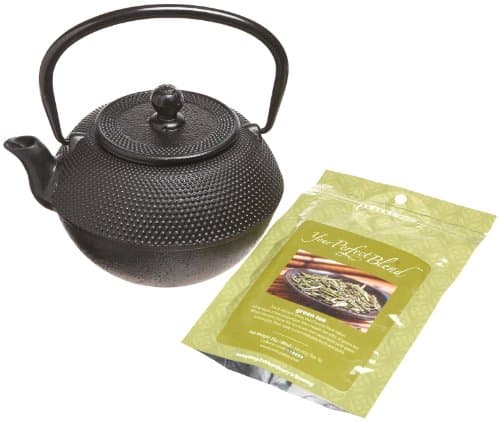 Primula Black Hammered Cast Iron Teapot, 36 oz.Top pickEnameled inside, hammered outside, mesh infuser in the box. It holds heat for about an hour, which is the only reason to carry something this heavy. | Cast iron you can actually buy today | 36 oz | |
| 2 | 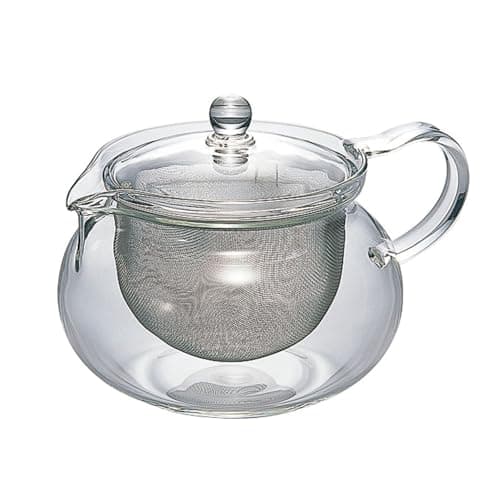 HARIO ChaCha Kyusu Maru Tea PotBorosilicate glass with a full-width stainless basket, in three sizes. The clearest published spec sheet of any teapot here. | Watching the leaves, which is most of the appeal | 300 ml, 450 ml and 700 ml (practical capacity) |
Top pick · Cast iron you can actually buy today
Primula Black Hammered Cast Iron Teapot, 36 oz.
Enameled inside, hammered outside, mesh infuser in the box. It holds heat for about an hour, which is the only reason to carry something this heavy.
#ad · how this is funded · price checked September 14, 2026
Published specifications
- Capacity
- 36 ozPrimula's own page says 36 oz. The Amazon listing title says 40 oz. We cite the maker's figure; treat the difference as brim-versus-practical and do not plan a table around the last four ounces.Source: Primula — Hammered Cast Iron Teapot with Enameled Interior, 36 oz.
- Interior
- Fully enameledPrimula states this is why it does not require seasoning like other cast iron teapots. It is also why it will never build the patina a bare tetsubin does.Source: Primula — Hammered Cast Iron Teapot with Enameled Interior, 36 oz.
- Infuser
- Removable stainless steel fine-mesh infuser includedSource: Primula — Hammered Cast Iron Teapot with Enameled Interior, 36 oz.
- Heat retention
- Keeps tea hot for up to an hourSource: Primula — Hammered Cast Iron Teapot with Enameled Interior, 36 oz.
- Exterior
- Hammered hobnail pattern, fold-down looped handle, removable lid, short curved spoutSource: Primula — Hammered Cast Iron Teapot with Enameled Interior, 36 oz.
- Stovetop use
- Not verifiedPrimula does not state a hob rating for this model. Enameled cast iron teapots are generally brewing vessels rather than kettles — boil water separately and read the insert that ships in the box.
What the numbers mean
An hour of heat retention is the whole argument for cast iron and it is a real, published number rather than a feeling. If your tea habit is a pot on a table over an afternoon, nothing else on this site comes close.
The enamel lining decides what ownership is like. Bare cast iron tetsubin must be dried immediately and seasoned or it rusts. An enameled one is just a pot: rinse it, dry it, put it away.
36 ounces is roughly four mugs, so this is a pot for a table rather than a desk. The weight is the cost of the heat retention — a full cast iron teapot is heavier than most people expect the first time they lift one.
Good for
- Published hour of heat retention, which glass cannot approach
- Enameled, so no seasoning and no rust
- Infuser included rather than sold separately
- Currently purchasable, which is not true of every cast iron teapot we looked at
Against it
- Heavy empty and heavier full
- Opaque, so you cannot watch the leaves
- Enamel chips if it is knocked against a tap
- The maker and the retail listing disagree about the capacity
Skip it ifSkip it if you brew one mug at a time. Heating a cast iron pot for 300 ml of tea wastes most of the heat you are paying for, and a glass pot shows you the leaves.
Pick 2 · Watching the leaves, which is most of the appeal
HARIO ChaCha Kyusu Maru Tea Pot
Borosilicate glass with a full-width stainless basket, in three sizes. The clearest published spec sheet of any teapot here.
Published specifications
- Capacities
- 300 ml, 450 ml and 700 ml (practical capacity)Source: HARIO USA — ChaCha Kyusu Maru Tea Pot
- Materials
- Heatproof borosilicate glass pot and lid; stainless steel strainerSource: HARIO USA — ChaCha Kyusu Maru Tea Pot
- Care
- Safe for hot water, microwave and dishwasher; remove the strainer before microwavingSource: HARIO USA — ChaCha Kyusu Maru Tea Pot
- Not safe for
- Oven, induction hob or open flameSource: HARIO USA — ChaCha Kyusu Maru Tea Pot
- Made in
- Japan (glass and lid); strainer made in ChinaSource: HARIO USA — ChaCha Kyusu Maru Tea Pot
What the numbers mean
The large strainer is the functional argument. A wide basket lets the leaves open across the whole pot rather than packing into a tube, which is the single biggest difference between teapots at this price.
The explicit not-for-stovetop line is the reason we point at this one. Glass teapots get put on hobs and crack, and Hario states plainly that this is not a stovetop object.
Three capacities matter more than they sound. 300 ml is one generous mug; 700 ml is a pot for two or three people. Buying the wrong one is the most common teapot regret.
Good for
- Wide strainer that lets leaves expand
- Microwave and dishwasher safe, both published
- Three sizes, so you can match your actual household
Against it
- Glass loses heat faster than ceramic or cast iron
- Not for the hob, the oven or a flame
- Glass shows tea staining if you leave it wet
Skip it ifSkip it if you want the pot to stay hot for a second and third cup. Glass is the worst insulator here; cast iron is the best.
The one number that decides it
An hour. That is the published heat retention figure, and it is the entire case for cast iron. Everything else about these pots - the hammered finish, the tetsubin heritage, the weight in the hand - is aesthetics or a consequence of the metal.
Ask yourself one question: over what period do you actually drink a pot of tea? If the honest answer is fifteen minutes, cast iron is solving a problem you do not have, and a glass pot that lets you watch the leaves is the better object. If the answer is an hour or two, with a book, at a table, nothing else here works.
| Cast iron | Glass | |
|---|---|---|
| Heat retention | About an hour, published | Minutes |
| See the leaves | No | Yes - most of the appeal for a beginner |
| Weight full | Heavy, and heavier than people expect | Light |
| Care | Rinse and dry; enamel needs no seasoning | Dishwasher on most models |
| Failure mode | Enamel chips, then the steel beneath can rust | It breaks |
| Typical price | Several times a basic glass pot | The cheapest format |
The enamel question, which is really the safety question
Most cast iron teapots sold today are enameled inside, and that single specification changes everything about owning one. Primula publishes that the interior of its hammered teapot is fully enameled, and states plainly that this is why it does not require seasoning like other cast iron teapots.
Enamel is a fused glass layer. Water never touches iron, so the pot does not rust from normal use, does not need oiling, and does not impart a metallic taste. It also means the pot will never develop the interior patina that people who own bare tetsubin talk about - you are buying a pot, not a relationship.
A bare, unlined tetsubin is a different object with different rules: dry it immediately every time, never leave water standing in it, and expect rust if you are careless. Unless you specifically want that, check that the listing says enameled interior before buying.
It is not a kettle
This is the most common and most expensive misunderstanding in the category, because an enameled cast iron teapot looks exactly like something designed to sit on a burner. Primula does not publish a hob rating for the model we cite, and enameled cast iron teapots are generally brewing vessels rather than kettles.
Boil your water in something else and pour it in. If you want a cast iron vessel you can heat directly, you are looking for a bare iron tetsubin sold explicitly for stovetop use, which is a smaller and more expensive category with real maintenance attached.
Who should buy one
- Anyone who makes a pot and drinks it over an hour or more, especially at a table with other people.
- Anyone brewing a tea that wants sustained heat - a heavy roast oolong or a shu pu-erh holds up over a long pot better than a delicate green does.
- Anyone who wants an object that will outlast every other vessel on this site, with the enamel chip risk understood.
- Anyone buying a gift for someone who already owns a glass teapot, because the two do genuinely different jobs.
Who should not
- Anyone brewing a single mug. Heating a heavy pot for 300 ml puts most of the heat into the iron rather than the tea.
- Beginners still learning what they like. Half the education of loose-leaf is watching leaves open, and cast iron is opaque.
- Anyone with wrist or grip problems. A full cast iron teapot is genuinely heavy, and the fold-down handle sits directly above a hot body.
- Anyone expecting to put it on a hob. Read the last section again before ordering.
Does cast iron make tea taste better
Not in the way it is usually implied. With an enameled interior the water touches glass, not iron, so there is no material interaction at all - which is the point of the lining. Any difference in the cup comes from temperature stability over a long steep, not from the metal.
That is still a real effect. A pot that holds temperature extracts more evenly over a long brew than one that is cooling the whole time. But it is a heat story, not a mineral one, and no maker on this site publishes a taste claim we could check.
What we would buy instead, and when
If the hour of heat is not the thing you need, buy the glass pot. The HARIO ChaCha Kyusu Maru publishes borosilicate glass, a stainless strainer, three practical capacities and an explicit list of what it is not safe for. It costs less, it shows you the leaves, and it goes in the dishwasher.
If you want the heat but not the weight, the honest third option is a cheaper pot plus a tea cosy or a warmer. It is less romantic and it addresses the same problem.
A note on the capacity we publish
Primula's own product page states 36 oz for the hammered teapot. The Amazon listing title for the same model says 40 oz. We cite the maker's figure, flag the discrepancy on the product card, and suggest you treat the difference as brim against practical capacity rather than planning a table around the last four ounces.
Questions
Are cast iron teapots worth it?
If you drink a pot slowly over an hour or more, yes - Primula publishes about an hour of heat retention and nothing else in this category approaches it. For a single mug, or if you want to watch the leaves open, a glass pot is the better buy.
Are cast iron teapots safe?
Modern ones are almost always enameled inside, which means water touches a fused glass layer rather than iron. Primula publishes a fully enameled interior on the model we cite. The risk to watch is chipping - exposed steel under a chipped enamel lining can rust.
Can you put a cast iron teapot on the stove?
Assume not. Primula does not publish a hob rating for the teapot we cite, and enameled cast iron teapots are generally brewing vessels rather than kettles. Boil water separately. Bare iron tetsubin sold explicitly for stovetop use are a different, smaller category.
Do cast iron teapots need seasoning?
Enameled ones do not, and Primula states that explicitly. Bare unlined tetsubin do: dry them immediately, never leave water standing, and expect rust if you are careless.
Does a cast iron teapot make tea taste better?
Only through temperature. With an enameled lining the water never touches iron, so there is no mineral interaction - the lining exists to prevent exactly that. The even extraction over a long steep is real; the metallic-flavor story is not.
How heavy is a cast iron teapot?
Heavier than people expect, and meaningfully heavier full. Primula does not publish a weight for the model we cite, which is a genuine gap - if grip strength is a concern, treat that missing number as a reason to handle one before buying.
Sources
Every figure on this page came from one of these, retrieved during the research pass for this article. Where a maker publishes nothing we could verify, the page says so instead of substituting a number.
Read next
- The best cast iron teapotsCast iron holds heat longer than anything else here. The interior lining decides whether owning one is easy or a routine.
- How to use a cast iron teapotThe enameled-versus-bare distinction, the preheat that makes cast iron worth owning, and how to dry a tetsubin.
- Teapot materials comparedFive teapot materials on heat retention, flavor neutrality and how much upkeep each one demands.
- The best teapots for loose-leaf teaFour teapots covering glass, press and cast iron, chosen on published capacity, materials and safety limits.
- The best glass teapotsThree glass teapots, and the single specification that separates a long-lived one from a cracked one.
- Tea kettle vs teapotA kettle boils water; a teapot brews it. The confusion is common, it is expensive when it goes wrong, and most people end up owning both.