Teapots & Brewing Vessels · Best cast iron teapot
The best cast iron teapots
Buy enameled first. The traditional bare tetsubin is a maintenance relationship, and it makes a much better second pot.
We earn a commission if you buy through the links on this page, at no extra cost to you. It does not change which products we name or what we say about them — how this is funded.
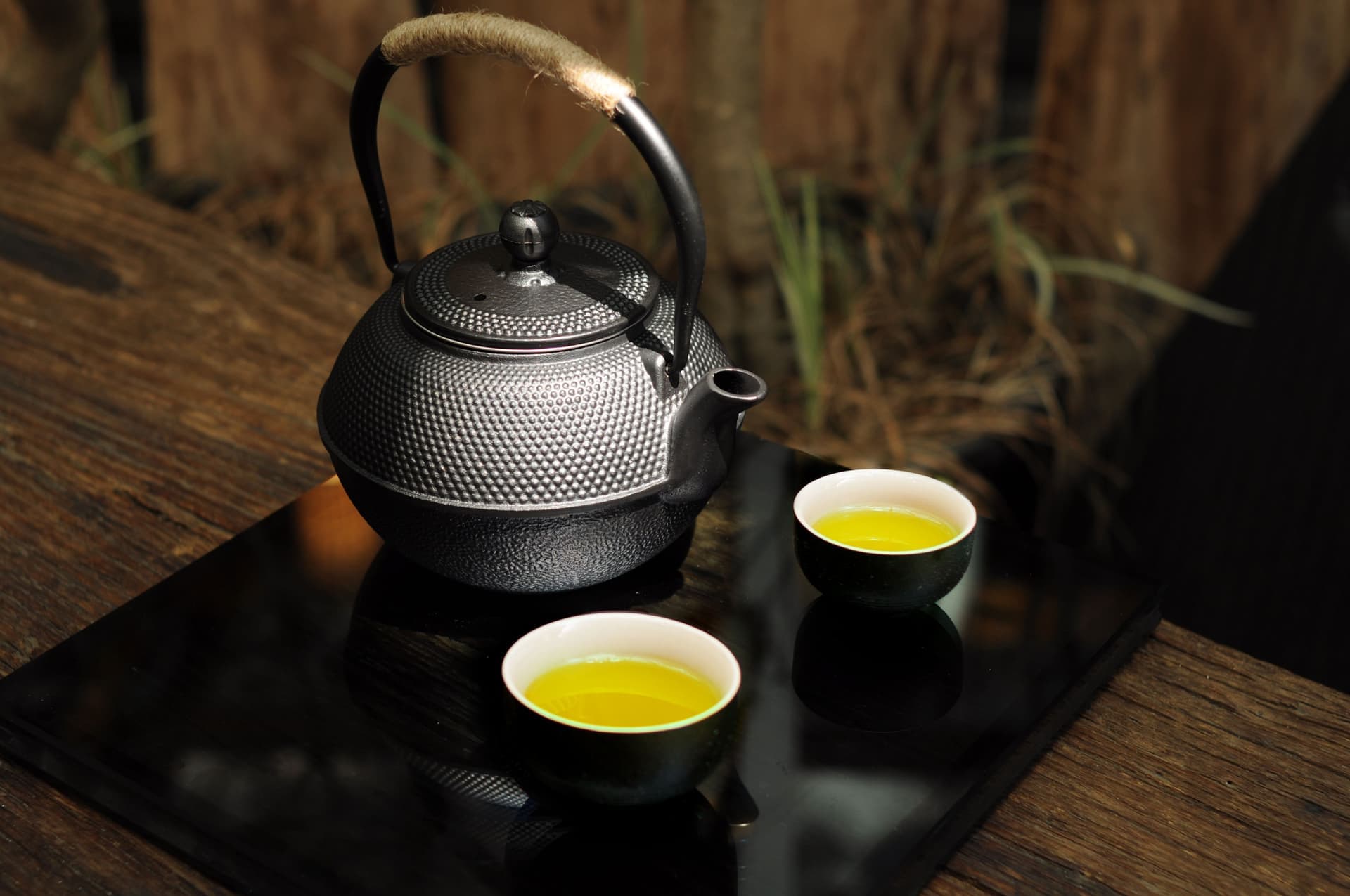
Buy the Primula enameled cast iron teapot. Primula publishes a fully enameled interior, 34 oz, a removable mesh infuser and heat retention of up to an hour. That combination is the whole argument for cast iron, and the enamel means you get it without signing up for a drying routine.
| # | Product | Best for | Interior | Price |
|---|---|---|---|---|
| 1 | No image Primula Cast Iron Teapot with Enameled InteriorTop pickEnameled inside, so it does not rust and does not season. Holds heat for about an hour, which no glass pot approaches. | Keeping a pot hot through a long afternoon | 34 oz | Check price#ad |
| 2 | 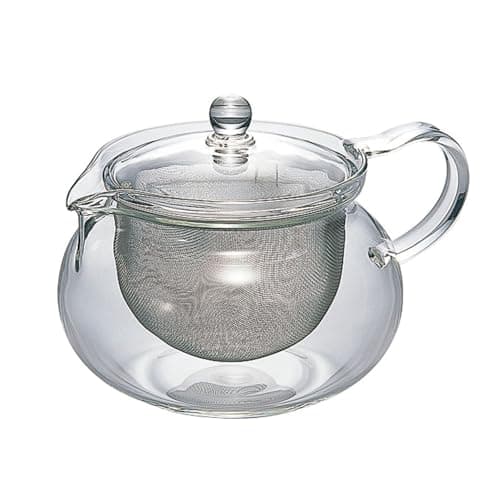 HARIO ChaCha Kyusu Maru Tea PotBorosilicate glass with a full-width stainless basket, in three sizes. The clearest published spec sheet of any teapot here. | Watching the leaves, which is most of the appeal | 300 ml, 450 ml and 700 ml (practical capacity) |
image
Top pick · Keeping a pot hot through a long afternoon
Primula Cast Iron Teapot with Enameled Interior
Enameled inside, so it does not rust and does not season. Holds heat for about an hour, which no glass pot approaches.
#ad · how this is funded · price checked October 16, 2026
Published specifications
- Capacity
- 34 ozSource: Primula — Floral 34 oz. Cast Iron Teapot
- Interior
- Fully enameledEnamel is why it needs no seasoning and will not rust — but also why it never develops the patina a bare tetsubin does.Source: Primula — Floral 34 oz. Cast Iron Teapot
- Infuser
- Removable mesh infuser includedSource: Primula — Floral 34 oz. Cast Iron Teapot
- Heat retention
- Keeps tea hot for up to an hourSource: Primula — Floral 34 oz. Cast Iron Teapot
- Stovetop use
- Not verifiedEnameled cast iron teapots are generally not stovetop vessels; Primula states this explicitly on some models. Boil water separately and check your own model's insert.
What the numbers mean
The enamel lining is the spec that decides everything about ownership. Bare cast iron tetsubin must be dried immediately and seasoned or it rusts. Enameled ones are just pots.
An hour of heat retention is the practical case for cast iron and it is real. If your tea habit is a pot on a table over an afternoon, nothing else here comes close.
It is a brewing vessel, not a kettle. Boil water in something else. Putting an enameled teapot on a hob is the classic way to destroy one.
Good for
- Holds heat for around an hour
- Enameled, so no seasoning and no rust
- Infuser included rather than sold separately
Against it
- Heavy, and heavier still when full
- Not a stovetop vessel
- The enamel chips if it is knocked
Skip it ifSkip it if you want to watch the leaves. Cast iron is opaque, and half the appeal of loose leaf for a beginner is seeing it open.
Pick 2 · Watching the leaves, which is most of the appeal
HARIO ChaCha Kyusu Maru Tea Pot
Borosilicate glass with a full-width stainless basket, in three sizes. The clearest published spec sheet of any teapot here.
Published specifications
- Capacities
- 300 ml, 450 ml and 700 ml (practical capacity)Source: HARIO USA — ChaCha Kyusu Maru Tea Pot
- Materials
- Heatproof borosilicate glass pot and lid; stainless steel strainerSource: HARIO USA — ChaCha Kyusu Maru Tea Pot
- Care
- Safe for hot water, microwave and dishwasher; remove the strainer before microwavingSource: HARIO USA — ChaCha Kyusu Maru Tea Pot
- Not safe for
- Oven, induction hob or open flameSource: HARIO USA — ChaCha Kyusu Maru Tea Pot
- Made in
- Japan (glass and lid); strainer made in ChinaSource: HARIO USA — ChaCha Kyusu Maru Tea Pot
What the numbers mean
The large strainer is the functional argument. A wide basket lets the leaves open across the whole pot rather than packing into a tube, which is the single biggest difference between teapots at this price.
The explicit not-for-stovetop line is the reason we point at this one. Glass teapots get put on hobs and crack, and Hario states plainly that this is not a stovetop object.
Three capacities matter more than they sound. 300 ml is one generous mug; 700 ml is a pot for two or three people. Buying the wrong one is the most common teapot regret.
Good for
- Wide strainer that lets leaves expand
- Microwave and dishwasher safe, both published
- Three sizes, so you can match your actual household
Against it
- Glass loses heat faster than ceramic or cast iron
- Not for the hob, the oven or a flame
- Glass shows tea staining if you leave it wet
Skip it ifSkip it if you want the pot to stay hot for a second and third cup. Glass is the worst insulator here; cast iron is the best.
Cast iron does one thing better than everything else
It holds heat. Primula publishes up to an hour, and no glass or porcelain pot comes close. If your tea habit is a pot on a table over an afternoon rather than a mug drunk in ten minutes, that is a genuine, daily benefit rather than a specification you will never notice.
Everything else about cast iron is a trade. It is heavy, it is opaque, and it costs more than a glass pot of the same volume.
Enameled or bare: the only question that matters
| Enameled interior | Bare cast iron (tetsubin) | |
|---|---|---|
| Rust risk | None — the enamel is a glass barrier | High if left damp for even one session |
| Routine after use | Empty, rinse, dry normally | Empty, rinse, dry immediately and completely |
| Soap | Fine | Avoid |
| Flavor | Neutral | Develops mineral character over years |
| Good first pot? | Yes | No — buy it once you know you want it |
A bare tetsubin is a genuinely lovely object and the interior it develops over years is the reason people want one. It is also ruined by leaving water in it once, and that is not a good property for a first cast iron pot bought on a whim.
Two things to check on any cast iron teapot
- The infuser must be removable. Cast iron stays near brewing temperature for a very long time, so leaves left in the pot keep extracting long after you wanted them to stop. Primula publishes a removable mesh infuser.
- Confirm it is not for the hob. Most cast iron teapots are brewing vessels rather than kettles, and putting one on a burner damages the enamel and the handle assembly. Boil water separately.
Why only two picks
Because we could verify published specifications for exactly one cast iron teapot, and the honest alternative to a thin roundup is a short one. The second pick is here as the genuine counter-option rather than as filler: if heat retention is not actually your problem, the glass pot is the better buy and we would rather say so than pad this page to five products.
What we did not do
We have not brewed in a cast iron pot, and we have not measured heat retention. The up-to-an-hour figure is Primula's own, cited below. Everything else here is the enameled-versus-bare distinction, which is a matter of construction rather than opinion.
Questions
Are cast iron teapots worth it?
If your tea sits on a table over an afternoon, yes — Primula publishes up to an hour of heat retention and nothing else in the category is close. For a pot drunk in fifteen minutes you are paying in weight and price for a property you never use.
Should I buy an enameled or a bare cast iron teapot?
Enameled for a first pot. It cannot rust, needs no seasoning, and is flavor-neutral. A bare tetsubin must be dried completely after every single use and is a better second purchase.
Can cast iron teapots go on the stove?
Most cannot. They are brewing vessels, and direct heat damages the enamel and the handle assembly. Boil water in a kettle and pour it into the preheated pot.
Do cast iron teapots need seasoning?
Only bare ones, and even then seasoning is really just the mineral layer that builds up with use. Enameled interiors are a glass barrier and cannot be seasoned at all.
Sources
Every figure on this page came from one of these, retrieved during the research pass for this article. Where a maker publishes nothing we could verify, the page says so instead of substituting a number.
Read next
- How to use a cast iron teapotThe enameled-versus-bare distinction, the preheat that makes cast iron worth owning, and how to dry a tetsubin.
- Teapot materials comparedFive teapot materials on heat retention, flavor neutrality and how much upkeep each one demands.
- The best teapots for loose-leaf teaFour teapots covering glass, press and cast iron, chosen on published capacity, materials and safety limits.
- Stovetop-safe teapots: how to check before you crack oneMost teapots crack on a hob. How to read the safety statement, and why boiling separately is almost always the answer.
- The best glass teapotsThree glass teapots, and the single specification that separates a long-lived one from a cracked one.
- Are cast iron teapots worth it?Cast iron buys about an hour of heat retention and costs you weight, visibility and a chippable enamel lining. Whether that trade is good depends on one habit.