Teapots & Brewing Vessels
How to use a cast iron teapot
One question decides the whole maintenance routine: is the inside enameled, or is it bare metal?
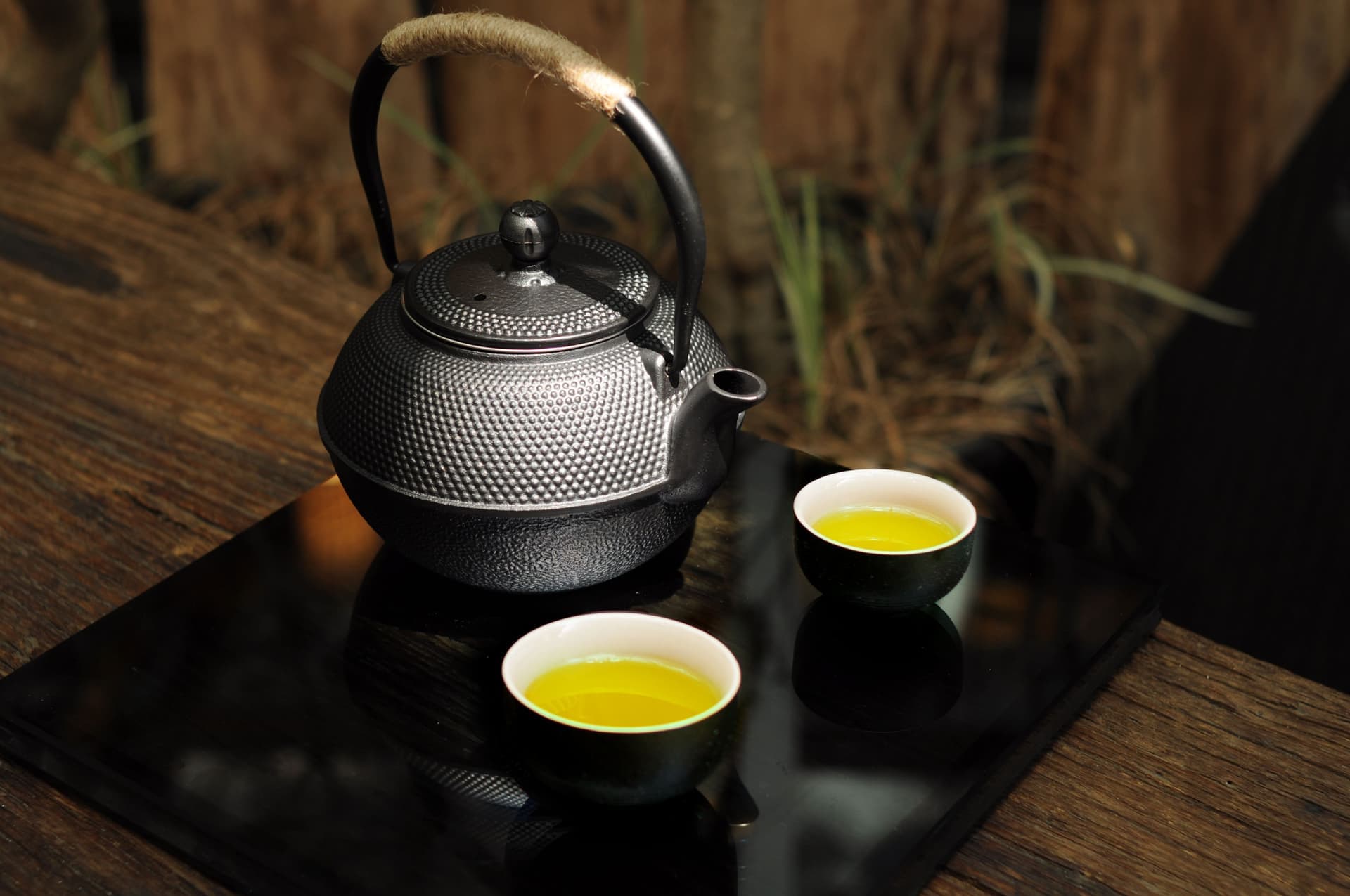
We earn a commission if you buy through the links on this page, at no extra cost to you. It does not change which products we name or what we say about them — how this is funded.
Boil water in a kettle, not the teapot. Preheat the pot by swirling hot water in it and tipping it out. Add leaves to the removable infuser, pour, steep, then lift the infuser out. When you have finished the pot, empty it and dry it — immediately and thoroughly if the interior is bare metal, and normally if it is enameled.
Check which kind you have
Look inside. A smooth, usually pale coating is enamel. Dark, slightly textured raw metal is bare cast iron. This single observation determines everything below.
| Enameled interior | Bare cast iron (tetsubin) | |
|---|---|---|
| Rust risk | None — the enamel is a glass barrier | High if left damp |
| Seasoning | Not needed, not possible | Develops a mineral interior over time |
| Flavor | Neutral | Changes subtly with use |
| Drying | Normal | Immediately and thoroughly, every time |
| Soap | Fine | Avoid |
| Typical example | Primula publishes a fully enameled interior | Traditional Japanese tetsubin |
Preheating, which is the whole point
Cast iron is a heat sink. Pour 200F water into a cold cast iron pot and a meaningful amount of that heat immediately goes into warming the metal instead of brewing the tea.
Swirl some hot water around the empty pot, tip it out, then brew. Once warm, the mass that stole your heat becomes the mass that holds it — Primula publishes up to an hour of heat retention, and that figure assumes a pot that is already warm.
Brewing
- Boil in a kettle. Cast iron teapots are brewing vessels and most are explicitly not for a hob.
- Preheat, then discard the water.
- Put the leaves in the removable infuser — Primula publishes a removable mesh infuser with its pot.
- Pour water at the temperature the tea wants. Art of Tea publishes 200-212F for black and herbal, 185-205F for oolong.
- Steep to time, then lift the infuser out. This step is not optional in a pot that will stay hot for an hour.
That last point is the one people miss. Cast iron's heat retention is a genuine advantage and it also means leaves left in the pot keep extracting at a near-brewing temperature for a very long time. Remove them.
Care for an enameled pot
Empty it, rinse it, wash it if you want, dry it and put it away. Enamel is a glass barrier, so there is no rust risk and no seasoning to protect. The one real vulnerability is chipping — enamel is glass and it does not survive being knocked hard against a tap.
Care for a bare tetsubin
This is the version that demands a routine, and skipping it once is how they get ruined.
- Empty it completely as soon as you finish. Never let water sit in it.
- Rinse with hot water only. No soap and no scouring — you are protecting the interior surface, not sterilizing it.
- Dry the inside immediately. Residual heat from the tea usually finishes the job if you leave the lid off; a brief moment on a warm hob with nothing in it will drive off the rest.
- Store with the lid off so air can circulate.
- Never put it in a dishwasher.
Some surface discolouration inside is normal and expected on a bare pot. Actual flaking orange rust means water was left standing; scrub it gently, dry thoroughly, and brew a few pots of strong tea, which helps re-establish the interior layer.
Is cast iron worth it?
If your tea sits on a table over an afternoon, yes, and nothing else on this site competes. If you drink a pot in fifteen minutes, you are paying in weight and price for a property you never use — and a glass pot lets you watch the leaves, which cast iron cannot.
Questions
Do you need to season a cast iron teapot?
Only a bare one. Enameled interiors are a glass barrier — no seasoning, no rust risk, wash and dry normally. Bare cast iron must be dried immediately every time and develops a mineral interior over years.
Can you boil water in a cast iron teapot?
Usually not. Most cast iron teapots are brewing vessels and are explicitly not for a hob. Boil in a kettle and pour into the preheated pot.
Why should I preheat a cast iron teapot?
Cast iron is a heat sink. A cold pot takes a large share of your water's heat to warm itself, so the tea brews cooler than intended. Swirl hot water in it and tip it out first.
How do you stop a cast iron teapot rusting?
Empty it immediately, rinse with hot water only, dry the inside thoroughly, and store with the lid off. Never leave water standing in it and never put it in a dishwasher. Enameled pots do not have this problem.
Sources
Every figure on this page came from one of these, retrieved during the research pass for this article. Where a maker publishes nothing we could verify, the page says so instead of substituting a number.
Read next
- Teapot materials comparedFive teapot materials on heat retention, flavor neutrality and how much upkeep each one demands.
- The best cast iron teapotsCast iron holds heat longer than anything else here. The interior lining decides whether owning one is easy or a routine.
- Stovetop-safe teapots: how to check before you crack oneMost teapots crack on a hob. How to read the safety statement, and why boiling separately is almost always the answer.
- The best teapots for loose-leaf teaFour teapots covering glass, press and cast iron, chosen on published capacity, materials and safety limits.
- How long to steep teaPublished steep times by type, the reason the ranges are wide, and what over-steeping actually does to the cup.
- Are cast iron teapots worth it?Cast iron buys about an hour of heat retention and costs you weight, visibility and a chippable enamel lining. Whether that trade is good depends on one habit.